 My Blog
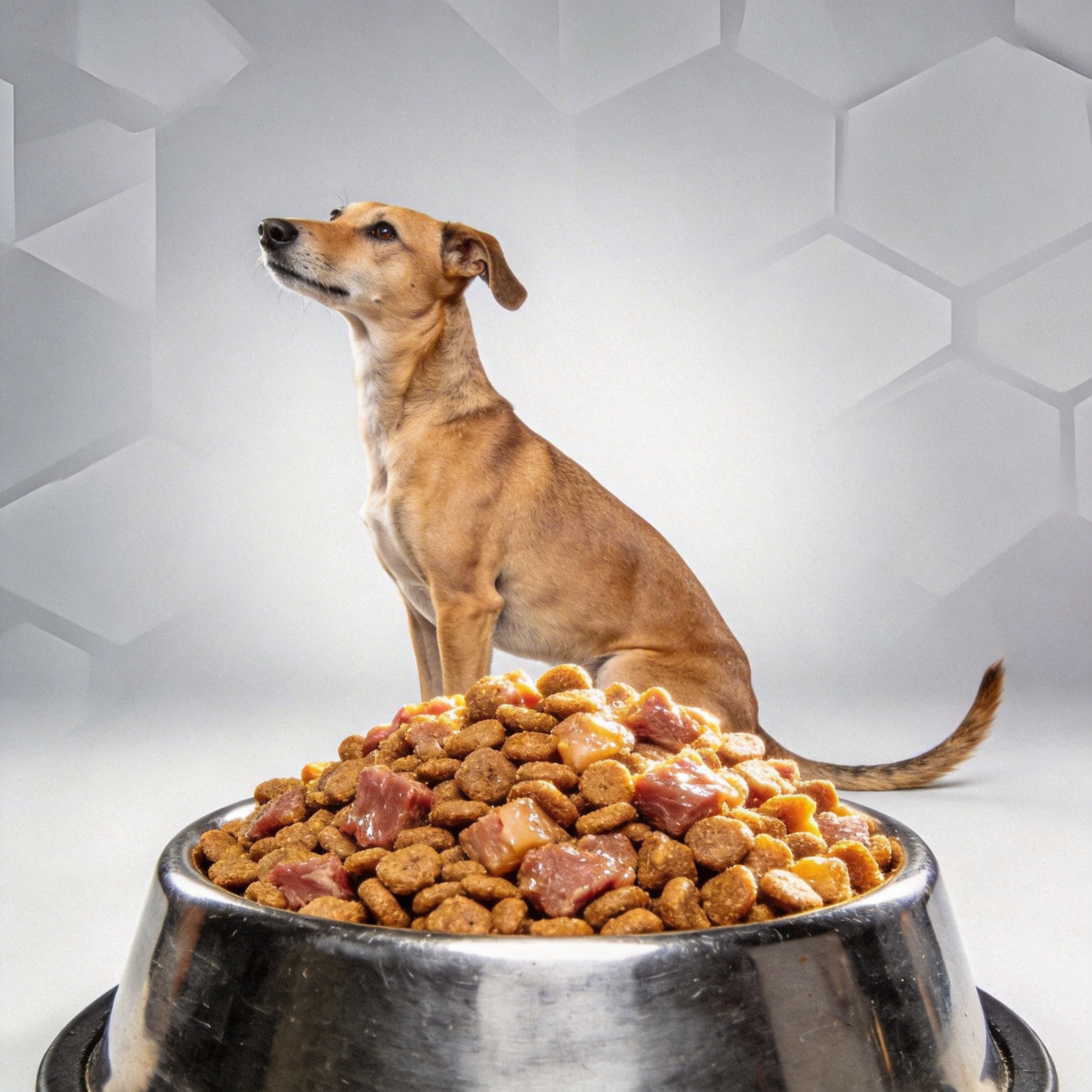
In the evolving landscape of pet nutrition, few topics generate as much discussion and curiosity as high-protein dog food. As descendants of wolves, dogs possess a digestive system designed to thrive on a diet rich in animal-based nutrients. However, the commercial pet food industry has seen decades of variation in formulation, often prioritizing cost-effective fillers over biological appropriateness. Today, informed pet owners are shifting their focus toward premium formulations that mimic the ancestral diet, seeking to enhance their canine companion’s energy, muscle mass, and overall longevity. Understanding the nuances of protein content is not merely about picking the bag with the highest percentage number; it is about recognizing quality, digestibility, and the specific needs of your individual dog.
When we talk about protein, we are discussing the fundamental building blocks of life. For dogs, protein is essential for the repair of body tissue, the production of enzymes and hormones, and the maintenance of a robust immune system. Yet, navigating the aisles of pet supply stores or scrolling through online retailers can be overwhelming. Terms like “natural,” “premium,” and “holistic” are often marketing buzzwords rather than regulated standards. This guide aims to cut through the noise, providing you with a decade’s worth of insights into what truly constitutes a high-protein diet, who benefits from it, and how to ensure you are making the safest choice for your furry family member.
Transitioning to a high-protein regimen is a significant decision that should be grounded in knowledge rather than trends. While the benefits are substantial for many dogs, it is crucial to approach this nutritional shift with a clear understanding of your dog’s health history, activity level, and age. Throughout this article, we will explore the biological necessity of protein, identify superior protein sources, debunk common myths regarding kidney health, and provide a practical framework for reading labels. By the end of this comprehensive guide, you will be equipped with the expertise needed to select a diet that fuels your dog’s vitality for years to come.
The Biological Imperative: Why Dogs Need Protein
To understand the value of high-protein dog food, one must first appreciate the canine physiology. Dogs are facultative carnivores, meaning while they can survive on a varied diet, their bodies function optimally when derived primarily from animal sources. Protein is composed of amino acids, which are often referred to as the building blocks of life. There are twenty-two amino acids, ten of which are considered essential for dogs. This means their bodies cannot synthesize these nutrients on their own; they must be obtained through diet. A high-protein diet ensures that these essential amino acids are available in sufficient quantities to support critical bodily functions.
The role of protein extends far beyond simple muscle building. While it is true that adequate protein intake is vital for maintaining lean muscle mass, especially in active or working dogs, its influence permeates every system in the body. Proteins are responsible for transporting oxygen in the blood, facilitating chemical reactions as enzymes, and providing the structural framework for skin, hair, and nails. Furthermore, protein plays a pivotal role in satiety. Dogs fed a diet with appropriate protein levels often feel fuller for longer, which can help prevent begging behaviors and manage weight more effectively than diets high in carbohydrates.
Essential Amino Acids and Health
Not all proteins are created equal, and this distinction lies in the amino acid profile. A high-quality protein source will contain a complete profile of essential amino acids, such as taurine, lysine, and arginine. Taurine, for instance, is critical for heart health and vision. While dogs can synthesize some taurine from other amino acids, a diet rich in fresh meat ensures adequate levels without relying on metabolic conversion. Deficiencies in these areas can lead to serious health complications, including dilated cardiomyopathy or poor coat condition. Therefore, when evaluating high-protein options, the source of the protein is just as important as the quantity.
Moreover, protein is a primary source of energy. While carbohydrates are often used in commercial kibble as a cheap energy source, dogs metabolize protein and fat more efficiently for sustained energy release. This is particularly important for dogs with high activity levels. A dog that spends hours hiking, running, or working requires a fuel source that does not cause spikes and crashes in blood sugar. High-protein diets provide a steady stream of energy, supporting endurance and recovery. This biological efficiency is why many veterinarians and nutritionists advocate for reducing unnecessary carbohydrates in favor of higher protein and healthy fat content.
Identifying High-Quality Protein Sources
When you turn over a bag of dog food, the ingredient list tells the true story of what your pet will be eating. In the context of high-protein dog food, the first five ingredients are the most critical. You want to see named animal proteins listed at the very top. Terms like “chicken,” “beef,” “salmon,” or “lamb” indicate whole meat sources that are rich in moisture and nutrients. Conversely, vague terms like “meat meal” or “animal by-products” can be indicative of lower-quality sourcing. While meat meals are not inherently bad and can be concentrated sources of protein, named meals such as “chicken meal” are preferable because they specify the animal origin.
It is also important to distinguish between animal-based and plant-based proteins. While peas, lentils, and soy contain protein, they are not as biologically appropriate for dogs as animal sources. Plant proteins often lack one or more essential amino acids and are generally less digestible for canines. A food might claim 30% protein on the guaranteed analysis, but if a significant portion of that comes from pea protein isolate rather than chicken, the biological value is lower. Always prioritize formulas where the majority of the protein content is derived from animal sources to ensure your dog can utilize the nutrients effectively.
- Whole Meats: Fresh chicken, turkey, beef, or fish listed as the first ingredient provide high moisture and digestibility.
- Named Meat Meals: Chicken meal or salmon meal are concentrated protein sources where water has been removed, offering high protein density.
- Organ Meats: Liver, kidney, and heart are nutrient-dense superfoods that provide vitamins and minerals alongside protein.
- Eggs: Often considered the gold standard for protein bioavailability, eggs are an excellent addition to high-protein formulas.
- Fish: Whitefish and salmon offer high protein levels along with beneficial omega-3 fatty acids for skin and coat health.
Another factor to consider is the processing of the protein. High-heat processing, common in kibble manufacturing, can denature proteins, making them harder for the dog to digest. This is why many owners are leaning toward gently cooked, freeze-dried, or raw high-protein options. These methods preserve the integrity of the amino acids and enzymes. If you are sticking with traditional kibble, look for brands that emphasize low-temperature cooking or add fresh protein inclusions after the cooking process to boost the nutritional profile without compromising safety.
Who Benefits Most from High-Protein Diets?
While protein is essential for all dogs, certain life stages and lifestyles demand higher concentrations to maintain optimal health. Puppies, for example, are in a state of rapid growth and development. Their bodies require significant amounts of protein to build bone, muscle, and organ tissue. A high-protein diet formulated specifically for growth ensures they reach their genetic potential without developing orthopedic issues associated with rapid weight gain. However, it is crucial that this protein is balanced with calcium and phosphorus to support skeletal health.
Active and working dogs represent another category that benefits immensely from increased protein intake. Dogs involved in agility, herding, hunting, or long-distance running burn calories at a much higher rate than the average house pet. For these athletes, protein is not just about maintenance; it is about repair. After intense physical activity, muscle fibers micro-tear and need protein to rebuild stronger. A diet low in protein may lead to muscle wasting, fatigue, and a longer recovery time. Similarly, pregnant or nursing females have heightened nutritional requirements to support the growth of their litter and maintain their own health during lactation.
Senior Dogs and Protein Misconceptions
Historically, there was a prevailing myth that senior dogs should be placed on low-protein diets to protect their kidneys. Modern veterinary science has largely debunked this theory. Unless a dog has been diagnosed with specific kidney disease, older dogs actually require higher quality protein than younger adults. As dogs age, their ability to synthesize protein decreases, meaning they need more dietary protein to maintain the same muscle mass. Sarcopenia, or the loss of muscle mass due to aging, is a significant concern for senior dogs and can lead to mobility issues and weakness. A high-protein diet helps combat this natural decline, keeping senior dogs active and strong for longer.
However, individual health conditions must always be taken into account. Dogs with diagnosed renal issues may require protein restriction, but this should always


![[Secret Revealed] No need to knead dough! Easily make super delicious Italian pies with a blender!](https://heradsmobi.top/wp-content/uploads/2026/01/a5ee3639bb523cfce2ffccd4fd732004.jpg)