 My Blog
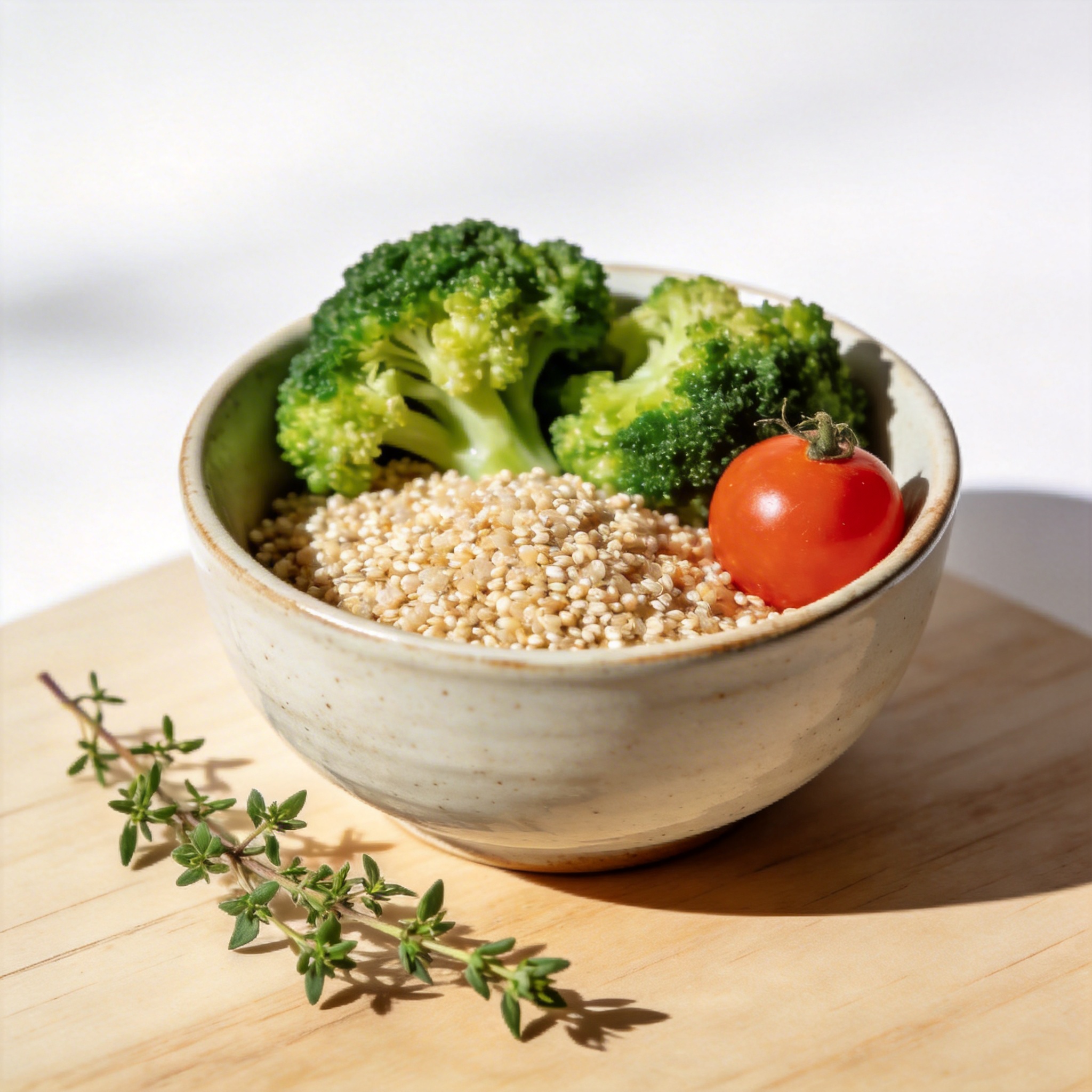
In the modern world, our plates are often crowded with complex processed foods, hidden additives, and an overwhelming array of ingredients that our ancestors never encountered. For many individuals seeking optimal health, the solution lies not in adding more supplements or superfoods, but in subtraction. This is the core philosophy behind the Limited Ingredient Diet. While this term is frequently associated with pet nutrition, the principle is profoundly effective for human health as well. By simplifying what you consume, you can isolate food sensitivities, reduce systemic inflammation, and regain control over your well-being. This approach is not merely a temporary fix but a strategic method to understand how your body interacts with fuel.
Adopting a limited ingredient approach requires patience and discipline, but the rewards are substantial. Many people suffer from chronic fatigue, digestive distress, or brain fog without realizing that their daily meals are the culprit. When you strip away the non-essentials, you allow your digestive system to reset and heal. This article will delve deep into the mechanics of this dietary strategy, exploring why it works, how to implement it safely, and what long-term benefits you can expect. Whether you are dealing with diagnosed allergies or simply feel sluggish after eating, understanding the power of simplicity in nutrition is the first step toward transformation.
Throughout this guide, we will examine the science behind food elimination, provide concrete lists of foods to embrace and avoid, and offer practical tips for navigating social situations while maintaining your protocol. The goal is to empower you with the knowledge to make informed decisions about your nutrition. By the end of this reading, you will have a clear roadmap to begin your journey toward a healthier, more vibrant life through the power of a Limited Ingredient Diet.
Understanding the Core Concept of a Limited Ingredient Diet
At its simplest, a Limited Ingredient Diet involves consuming foods that contain fewer components than the standard modern diet. In the context of human nutrition, this closely mirrors an elimination diet. The primary objective is to reduce the variable load on your digestive and immune systems. When you eat a meal with twenty different ingredients, including various preservatives, colorings, and flavor enhancers, it becomes nearly impossible to identify which specific component is causing a negative reaction. By limiting the ingredients, you create a controlled environment within your body.
The Philosophy of Less is More
The philosophy driving this diet is rooted in the idea that our bodies are designed to process whole, recognizable foods rather than industrial formulations. When we consume fewer ingredients, we reduce the likelihood of ingesting hidden allergens such as gluten, soy, dairy, or specific chemical additives. This reduction allows the gut lining to repair itself. A healthy gut lining is crucial because it prevents undigested food particles from leaking into the bloodstream, a condition often referred to as leaky gut, which can trigger widespread immune responses. Therefore, the Limited Ingredient Diet is not just about weight management; it is fundamentally about gut integrity and immune regulation.
Furthermore, this approach encourages mindfulness. When you are restricted to a shorter list of approved foods, you become more intentional about every bite. You stop eating out of habit or boredom and start eating for nourishment. This shift in mindset can break the cycle of emotional eating and dependency on highly palatable, processed foods that are engineered to be addictive. By focusing on quality over quantity, you teach your body to appreciate the natural flavors of whole foods, resetting your palate over time.
Significant Health Benefits of Simplifying Your Nutrition
The advantages of adopting a Limited Ingredient Diet extend far beyond simple weight loss. While shedding excess pounds is a common side effect due to the removal of calorie-dense processed foods, the internal changes are where the true value lies. Participants often report a dramatic increase in energy levels, clearer skin, and improved mental focus. These benefits are interconnected, stemming from reduced inflammation and stabilized blood sugar levels.
Restoring Digestive Harmony
Digestive issues are among the most common complaints in modern healthcare. Bloating, gas, irregularity, and abdominal pain are often signs that the digestive tract is struggling to cope with complex dietary inputs. A Limited Ingredient Diet gives your digestive enzymes a break. Instead of working overtime to break down artificial sweeteners, emulsifiers, and complex starches, your system can focus on absorbing nutrients from whole sources. Many individuals find that symptoms of Irritable Bowel Syndrome (IBS) diminish significantly when they switch to a simpler diet. The reduction in fermentable carbohydrates and irritants allows the microbiome to balance itself, promoting the growth of beneficial bacteria.
Reducing Systemic Inflammation
Chronic inflammation is the root cause of many serious health conditions, including heart disease, arthritis, and autoimmune disorders. Certain ingredients, particularly refined sugars, trans fats, and processed grains, are known inflammatory triggers. By eliminating these from your regimen, you lower the overall inflammatory load on your body. This reduction can lead to decreased joint pain, improved mobility, and a lower risk of chronic disease development. Additionally, when inflammation subsides, the body becomes more sensitive to insulin, which helps regulate blood sugar and reduces the risk of developing type 2 diabetes.
- Improved Energy Stability: Without the spikes and crashes associated with high-sugar processed foods, energy levels remain consistent throughout the day.
- Enhanced Mental Clarity: Reduced inflammation often correlates with reduced brain fog, leading to better concentration and memory.
- Better Sleep Quality: Digestive discomfort often disrupts sleep; simplifying dinner can lead to more restful nights.
- Clearer Skin: Acne and eczema are frequently linked to dietary triggers that are removed during this protocol.
How to Successfully Start Your Limited Ingredient Journey
Transitioning to a Limited Ingredient Diet requires careful planning to ensure you meet your nutritional needs while adhering to the restrictions. It is not advisable to simply stop eating randomly; a structured approach yields the best results. The process is generally divided into two distinct phases: the elimination phase and the reintroduction phase. Understanding how to navigate these stages is critical for long-term success and accurate identification of food triggers.
Phase 1: The Elimination Period
During the elimination phase, you will remove all common allergens and processed foods from your diet. This typically includes gluten, dairy, soy, corn, eggs, nuts, shellfish, and added sugars. You will focus on a small selection of meats, vegetables, fruits, and grains that are generally well-tolerated. This phase should last for a minimum of three to four weeks. It takes time for the immune system to calm down and for inflammation to subside. If you only do this for a few days, you may not see the full benefits. It is essential to read every label meticulously during this time, as hidden ingredients can sabotage your progress.
Preparation is key to surviving the elimination phase. You should dedicate time to meal planning and prep cooking. Having approved meals ready to go prevents the temptation to reach for convenience foods when you are busy or tired. Keep a food journal during this period. Record not only what you eat but also how you feel physically and emotionally. Note your energy levels, digestion, sleep quality, and mood. This data will be invaluable when you begin reintroducing foods, as it establishes your baseline health status.
Phase 2: The Reintroduction Process
Once the elimination period is complete and you feel significantly better, you can begin the reintroduction phase. This must be done slowly and systematically. Choose one food group to reintroduce at a time, such as dairy. Eat a small amount of dairy on the first day and monitor your reaction closely over the next three days. If you experience no negative symptoms, you can assume dairy is safe for you in moderation. If you experience bloating, headaches, or fatigue, you have identified a trigger, and that food should be removed again. Wait until symptoms resolve before testing the next food group. This methodical approach ensures you know exactly which ingredients your body loves and which ones it rejects.
Core Foods to Embrace and Avoid
Knowing what to put in your shopping cart is the practical backbone of this diet. While individual tolerances vary, there are general categories of foods that are considered safe staples for a Limited Ingredient Diet. These foods are nutrient-dense, minimally processed, and unlikely to cause immune reactions in the majority of the population. Conversely, there is a list of items that should be strictly avoided during the initial phases to ensure the effectiveness of the protocol.
Green Light Foods
Your diet should revolve around whole, single-ingredient foods. Proteins should be high-quality and free from marinades or fillers. Think of plain chicken breast, turkey, lamb, or wild-caught fish. Vegetables are the cornerstone of this diet, providing essential fiber and micronutrients. Focus on leafy greens like spinach and kale, as well as cruciferous vegetables like broccoli and cauliflower