 My Blog
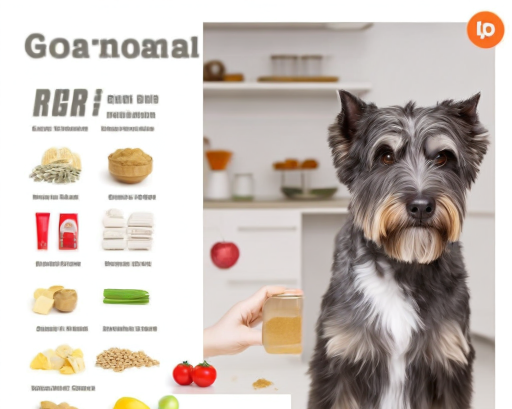
For decades, the sound of kibble hitting a metal bowl was the universal dinner bell for dogs, and few owners questioned the corn, wheat, or rice that was a staple ingredient. Today, a walk down the pet food aisle tells a different story. Shelves are now dominated by bags proudly boasting “Grain-Free,” “Ancestral Diet,” or “Limited Ingredient.” This shift represents one of the most significant trends in canine nutrition in recent years, but it’s also one shrouded in both passionate advocacy and serious scientific scrutiny. As a pet parent, navigating this landscape can feel overwhelming. Is grain-free a marketing fad, a genuine dietary upgrade, or a potential health risk? This comprehensive guide will sift through the hype, the science, and the practicalities to help you make an informed decision for your furry family member.
What Exactly is Grain-Free Dog Food?
At its core, grain-free dog food is exactly what the name implies: a formula that excludes common cereal grains like wheat, corn, rice, oats, barley, and rye. It’s important to distinguish this from “gluten-free,” as many grains are gluten-free (like corn and rice). The grain-free movement was born from several converging ideas: the belief that dogs’ wild ancestors (wolves) didn’t eat grains, concerns over food allergies and intolerances, and a broader human trend toward “clean,” less-processed eating.
However, “grain-free” does not mean “carbohydrate-free.” To replace the bulk, binding properties, and energy provided by grains, manufacturers use alternative carbohydrate sources, often called “pseudo-grains” or starches. Common substitutes include:
- Legumes: Peas, lentils, chickpeas (garbanzo beans), and various bean flours.
- Potatoes: White potatoes and sweet potatoes.
- Other Starches: Tapioca (cassava), pumpkin, and butternut squash.
Understanding this substitution is crucial, as the nutritional profile of a grain-free diet is heavily influenced by these alternative ingredients.
The Driving Forces: Why Do Pet Owners Choose Grain-Free?
The popularity of grain-free diets isn’t accidental. It’s fueled by compelling narratives and observable benefits for some dogs.
1. Addressing Food Sensitivities and Allergies
While true grain allergies are less common in dogs than allergies to animal proteins (like beef or chicken), they do exist. Symptoms can include chronic itching, red skin, ear infections, and gastrointestinal upset like diarrhea or vomiting. For dogs diagnosed with a specific grain allergy, a grain-free diet is a medical necessity. More commonly, some dogs have food intolerances or sensitivities to grains, which can cause similar digestive discomfort. Switching to a grain-free formula with a novel protein (like salmon or duck) can sometimes resolve these issues, leading to happier skin and a healthier gut.
2. The Ancestral or “Wolf Diet” Argument
Proponents argue that modern dogs, despite thousands of years of domestication, retain a digestive system optimized for a carnivorous-leaning diet. The idea is that grains are a modern, processed addition that their bodies aren’t designed to handle efficiently. While dogs have indeed evolved amylase genes to better digest starch compared to wolves, this argument appeals to owners seeking a “natural” or “species-appropriate” diet for their pets.
3. Perceptions of Higher Quality and Digestibility
Grain-free diets are often positioned as premium products. They frequently feature higher concentrations of animal protein, fewer fillers, and more “whole food” ingredients. For many dogs, this can translate to smaller, firmer stools, a shinier coat, and increased energy levels. The perception is that the dog is absorbing more nutrients and wasting less, which many owners equate with a superior food.
The Elephant in the Room: The FDA Investigation and DCM Concerns
No discussion about grain-free dog food in the modern era is complete without addressing the ongoing concern from the U.S. Food and Drug Administration (FDA). In 2018, the FDA began investigating a potential link between certain diets, particularly those labeled “grain-free,” and a serious heart condition called Dilated Cardiomyopathy (DCM) in dogs.
DCM is a disease where the heart muscle becomes weak and enlarged, compromising its ability to pump blood. It has known genetic predispositions in breeds like Doberman Pinschers and Great Danes. The alarming trend identified by veterinarians and the FDA was an increase in DCM cases in breeds not typically prone to the disease, such as Golden Retrievers, Labrador Retrievers, and mixed breeds.
The common thread among most affected dogs was a long-term diet high in legumes (peas, lentils, etc.) or potatoes, which, as we’ve established, are the primary ingredients in many grain-free foods. The leading hypothesis is not necessarily the absence of grains, but the inclusion of high levels of these ingredients, potentially affecting the absorption or metabolism of taurine—an amino acid critical for heart health—or containing compounds that may be cardiotoxic in large amounts.
It is vital to note: The FDA investigation is ongoing, and a direct causal link has not been definitively proven. The agency emphasizes it is not advising a wholesale dietary change for all dogs but recommends consulting with your veterinarian about your dog’s individual diet and risk factors.
Making an Informed Choice: Is Grain-Free Right for Your Dog?
This isn’t a black-and-white decision. The “right” food is the one that supports your individual dog’s health, activity level, and life stage. Here is a framework to guide your decision-making process.
Step 1: Consult Your Veterinarian
This is the most important step. Your vet understands your dog’s health history, breed predispositions, and nutritional needs. Discuss:
- Your dog’s current health status and any symptoms (skin, digestive, energy).
- Your interest in a grain-free diet and your reasons why.
- Your dog’s breed and any potential risk for DCM or other conditions.
- The possibility of a food allergy trial to identify true allergens.
Step 2: Evaluate the “Why”
Are you considering grain-free to solve a specific problem, or is it a preventive/preference choice?
- For Diagnosed Grain Allergies: A grain-free diet is appropriate and necessary.
- For Suspected Sensitivities: A vet-supervised elimination diet is the gold standard to identify the culprit, which may or may not be a grain.
- As a General Maintenance Diet: Weigh the potential benefits against the ongoing scientific discussion and your dog’s specific needs. A high-quality grain-inclusive diet may be perfectly suitable.
Step 3: Become a Label Detective
If you and your vet decide to proceed with a grain-free option, scrutinize the ingredient list and nutritional adequacy statement.
- Look for Animal Protein First: The first ingredient should be a named meat, meat meal, or fish.
- Assess the Carbohydrate Profile: Check the list for high concentrations of peas, lentils, chickpeas, or potatoes. A diverse carbohydrate source list may be preferable to one reliant on a single legume.
- Check for AAFCO Statement: Ensure the food meets the nutritional levels established by the Association of American Feed Control Officials (AAFCO) for your dog’s life stage (e.g., “all life stages,” “adult maintenance”).
- Consider Brands with Research: Some companies invest significantly in nutritional research, feeding trials, and have veterinary nutritionists on staff.
Conclusion: A Balanced Perspective for a Healthy Hound
The world of dog nutrition is complex and ever-evolving. Grain-free dog food emerged as a well-intentioned innovation, offering solutions for some dogs with genuine dietary issues and aligning with the desires of owners for premium, meat-focused formulas. Its rise, however, has been tempered by serious questions about long-term cardiac health, reminding us that well-meaning dietary trends must always be subjected to rigorous science.
The key takeaway is that there is no one-size-fits-all answer. For a dog with a confirmed grain allergy, a carefully selected grain-free diet is life-changing. For the average, healthy dog without sensitivities, a high-quality diet—whether it contains ancient grains like oats and quinoa or is grain-free—can provide complete and balanced nutrition. The most powerful tool you have is not a trendy bag of food, but a partnership with a trusted veterinarian. By combining professional guidance with informed scrutiny of ingredients and ongoing observation of your dog’s vitality, you can cut through the marketing noise and choose the path that best supports your beloved companion’s tail-wagging health for years to come.


![[Easy Learn] Make overseas food: Brookies and three New York-style cookies](https://heradsmobi.top/wp-content/uploads/2026/01/018065ded870383b9542d9800682c677.jpg)