 My Blog
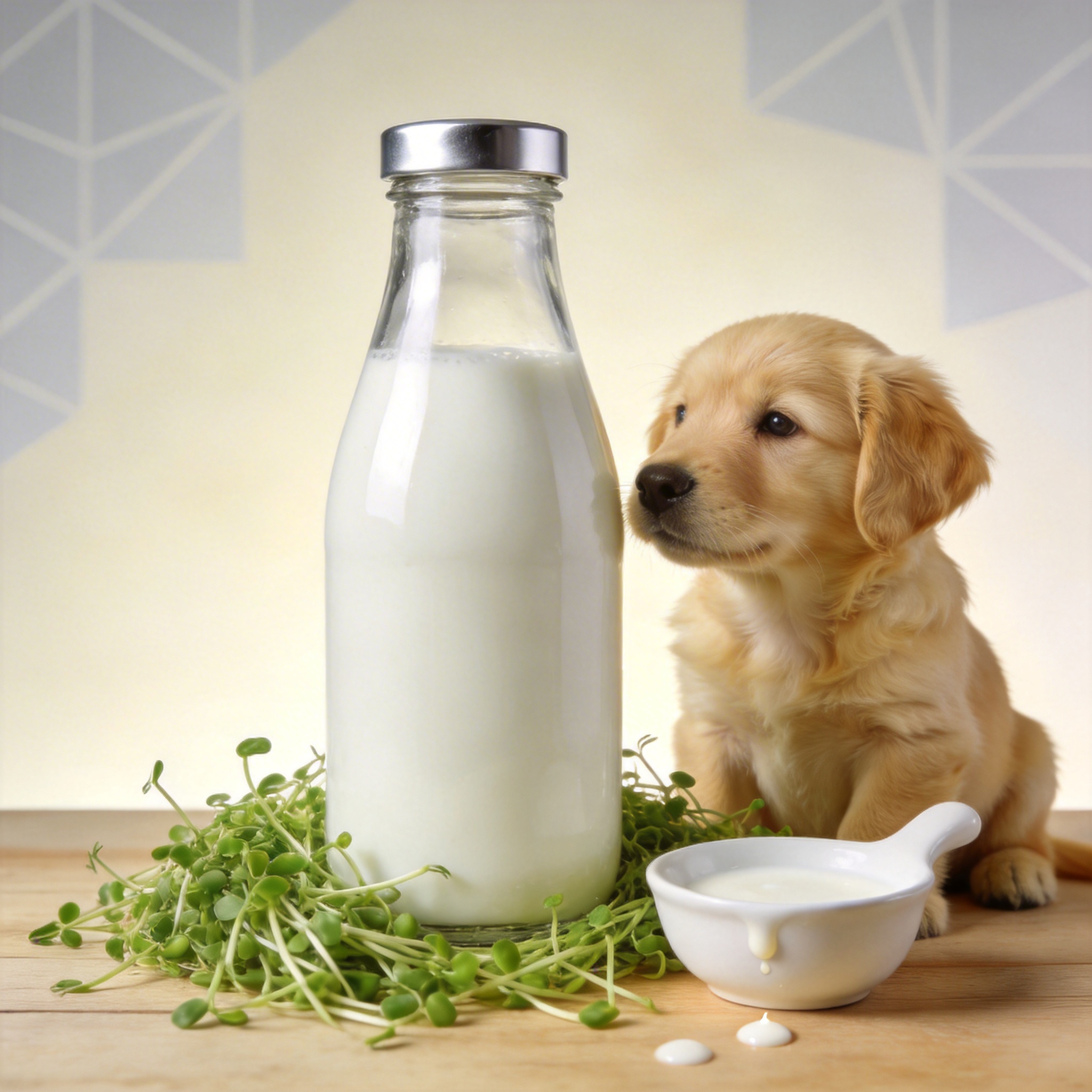
In the ever-evolving world of pet wellness, where superfoods and ancient remedies regularly make a splash, one traditional ingredient is having a major moment: goat milk. Once relegated to farmhouses and niche health food stores, raw and fermented goat milk is now appearing in pet store fridges and online subscriptions, touted as a nutritional powerhouse for dogs and cats. But is this surge in popularity backed by substance, or is it simply another wellness fad? For pet parents navigating the complex landscape of supplements, understanding the real benefits, potential drawbacks, and safe applications of goat milk is crucial. This article dives deep into the science, tradition, and practicalities of incorporating goat milk into your pet’s diet, separating fact from fiction.
Understanding the Nutritional Profile: Why Goat Milk is Different
Before adding any new food to your pet’s bowl, it’s essential to understand what’s in it. Goat milk’s reputation as a premium choice for pets (and humans with sensitivities) isn’t accidental; its biochemical structure offers distinct advantages over the more common cow’s milk.
The Science of Digestibility
The primary reason goat milk is often better tolerated lies in its fat and protein composition. The fat globules in goat milk are naturally smaller and more evenly dispersed than those in cow’s milk, making them easier for digestive enzymes to break down. More significantly, goat milk contains far less of the protein A1 casein, which is the component in cow’s milk most frequently associated with lactose intolerance symptoms like gas, bloating, and diarrhea. Instead, goat milk is higher in A2 casein, which is generally gentler on the gut. While goat milk still contains lactose, its overall digestible nature often means pets with mild sensitivities can process it without issue, unlike cow’s milk.
A Powerhouse of Nutrients
Beyond being gentle, goat milk is incredibly nutrient-dense. It serves as a rich source of essential vitamins and minerals that are critical for overall pet health. It’s naturally high in vitamins A, B2 (riboflavin), and B6, as well as key minerals like calcium, phosphorus, potassium, and magnesium. Furthermore, goat milk provides a valuable dose of medium-chain fatty acids (MCFAs), which are easily absorbed and used as a quick energy source. Perhaps one of its most celebrated attributes is its naturally occurring probiotics. Especially in raw or fermented (kefir) forms, goat milk contains beneficial bacteria that support a healthy gut microbiome, which is intrinsically linked to immune function, skin health, and even mood.
The Potential Benefits for Dogs and Cats
When used appropriately as a supplement—not a meal replacement—goat milk can offer a range of specific benefits. Pet parents and holistic veterinarians often report noticeable improvements in several key areas of health.
- Enhanced Digestive Health: The probiotics and digestible nature of goat milk can help soothe upset stomachs, improve stool quality, and repopulate the gut with good bacteria, especially after a course of antibiotics or during periods of stress.
- Support for Skin and Coat: The combination of fatty acids, vitamins A and B, and moisture can lead to a shinier, softer coat and less itchy, flaky skin. It can be a helpful adjunct for pets with mild allergies or dry skin.
- Hydration and Palatability: For picky eaters, senior pets with diminished appetite, or animals recovering from illness, the enticing taste and liquid form of goat milk can encourage them to consume more calories and stay hydrated. It’s a delicious “topper” for dry food.
- Immune System Boost: A healthy gut is the cornerstone of a strong immune system. The probiotics, along with nutrients like selenium and vitamin A, contribute to supporting the body’s natural defenses.
- Bone and Joint Support: The bioavailable calcium and phosphorus ratio in goat milk is excellent for supporting growing puppies and kittens, as well as maintaining bone density in aging pets.
Navigating the Important Considerations and Risks
While the benefits are compelling, a responsible approach is non-negotiable. Goat milk is not a magic bullet and is not suitable for every pet in every situation.
The Raw vs. Pasteurized Debate
This is the most significant decision point. Raw goat milk retains all its natural enzymes, probiotics, and nutrients but carries a potential risk of harmful bacteria like E. coli or Salmonella. This risk is especially pertinent for pets with compromised immune systems, puppies/kittens, or senior pets. Pasteurized goat milk is heated to kill pathogens, making it safer from a microbiological standpoint, but this process also destroys beneficial enzymes and most probiotics. A middle-ground option gaining popularity is low-temperature pasteurized or fermented (kefir) goat milk specifically made for pets, which aims to maximize safety while preserving nutritional integrity.
Lactose Intolerance and Fat Content
Despite being more digestible, goat milk still contains lactose. Some pets, especially those with severe dairy intolerance, may still react poorly. It’s critical to introduce any new food slowly, starting with a small amount (e.g., a tablespoon) and monitoring for 24-48 hours for signs of digestive distress like diarrhea, vomiting, or excessive gas. Furthermore, goat milk is calorie-dense. For pets on a weight management plan, its calorie content must be accounted for within their daily food allowance to prevent unwanted weight gain.
Sourcing and Serving: Best Practices
- Source Responsibly: Choose products specifically labeled for pet consumption from reputable companies that practice rigorous safety testing. If sourcing farm-fresh, know and trust the farmer’s hygiene practices.
- Start Small: Begin with a very small serving to assess tolerance.
- Moderation is Key: Goat milk should be a supplement, not a staple. A general guideline is no more than 1-2 ounces per 10 lbs of body weight per day, but always consult your vet.
- Storage: Treat it like any fresh dairy product. Keep it refrigerated and use it by the expiration date.
Conclusion: A Thoughtful Addition to a Balanced Diet
Goat milk for pets is far more than a fleeting trend; it is a nutrient-rich, biologically appropriate food with a long history of supporting animal health. Its unique composition can offer tangible benefits, from bolstering digestion and hydration to enhancing skin and coat quality. However, its introduction requires a mindful and informed approach. The decision between raw and pasteurized, the imperative to introduce it slowly, and the necessity of using it as a supplemental treat rather than a dietary cornerstone are all critical factors for success. As with any significant change to your pet’s nutrition, a conversation with your veterinarian is the best first step. By weighing the potential benefits against the individual needs and health status of your dog or cat, you can make an empowered decision on whether this ancient, wholesome food deserves a place in their modern wellness regimen.

![[Must see] A complete guide to making marble sponge cakes for early adopters](https://heradsmobi.top/wp-content/uploads/2026/01/c47ae08205c52ac52b44212280b34607.jpg)