 My Blog
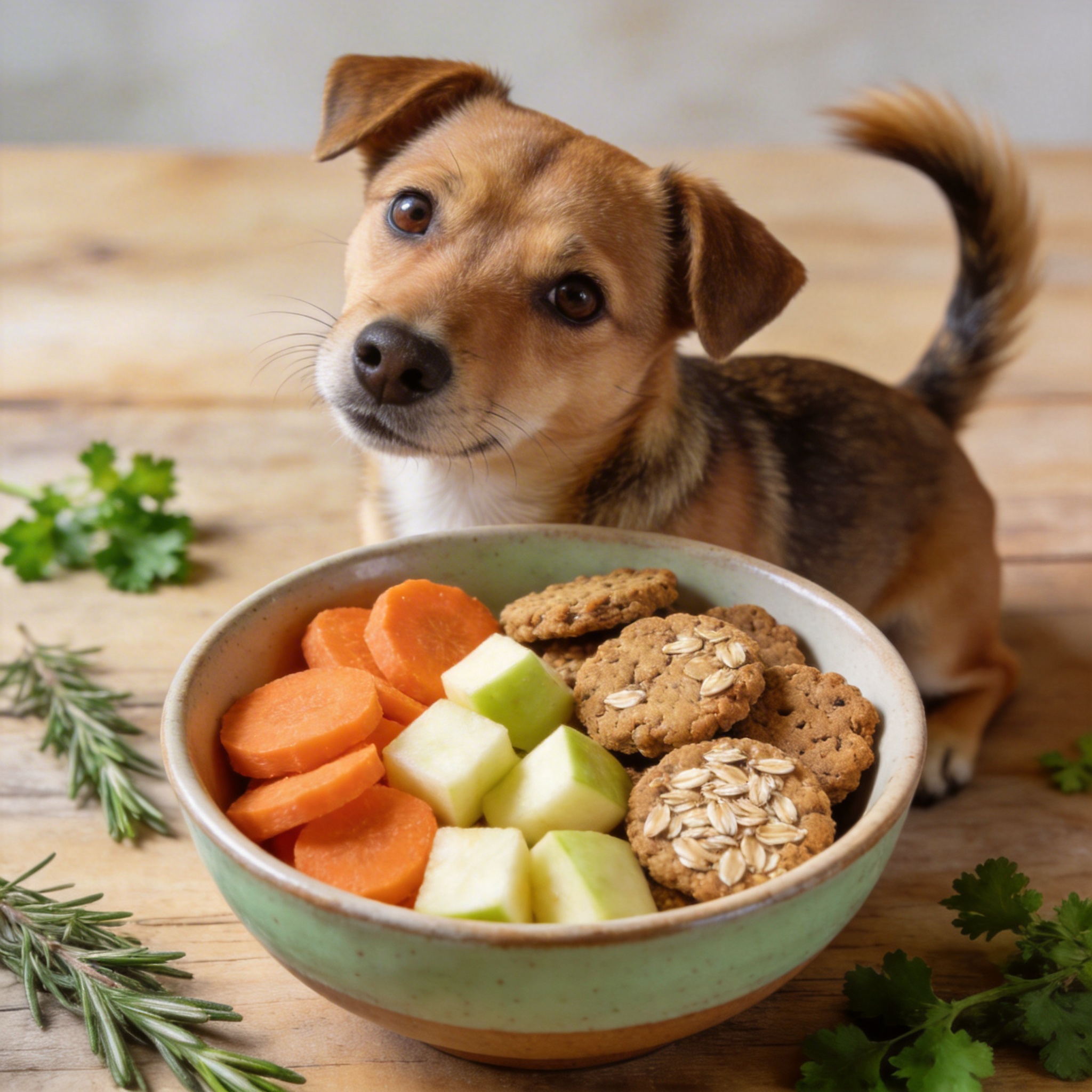
For over a decade, I have been immersed in the world of pet care content, witnessing a significant shift in how owners view their canine companions. Dogs are no longer just pets kept in the backyard; they are family members, confidants, and active participants in our daily lives. With this evolution in the human-canine bond comes a heightened responsibility for their health and wellness. One of the most overlooked aspects of a dog’s diet is the treat bag. While often viewed merely as a tool for training or a occasional indulgence, treats can make up a significant portion of a dog’s daily caloric intake. Choosing healthy dog treats is not just about avoiding obesity; it is about enhancing longevity, improving coat quality, and supporting overall vitality.
In this comprehensive guide, we will delve deep into the world of canine snacks. We will explore why nutrition matters even in small bites, how to decode confusing packaging labels, and the specific ingredients that should either be celebrated or banned from your pantry. Whether you are a new puppy parent or a seasoned owner of a senior dog, understanding the nuance of treat selection is crucial. By the end of this article, you will be equipped with the knowledge to make informed decisions that prioritize your dog’s health without sacrificing the joy of rewarding them.
Why Choosing Healthy Dog Treats Matters
It is easy to dismiss treats as insignificant compared to a dog’s main meals, but the mathematics of nutrition tells a different story. Veterinary nutritionists often recommend that treats should not exceed ten percent of a dog’s daily caloric intake. However, for many owners, this percentage is inadvertently exceeded due to the high calorie density of commercial treats. When you consistently provide treats loaded with fillers, sugars, and artificial preservatives, you are essentially feeding your dog empty calories that contribute to weight gain without offering nutritional benefits.
Furthermore, the quality of ingredients directly impacts your dog’s internal health. Just like humans, dogs suffer from the consequences of a poor diet. Low-quality treats can lead to digestive issues, skin irritations, and even behavioral changes linked to blood sugar spikes. On the flip side, nutrient-dense treats can supplement your dog’s diet with essential vitamins and minerals. For example, treats containing omega-3 fatty acids can support joint health and reduce inflammation, while those rich in antioxidants can boost the immune system. Making the switch to healthy dog treats is a proactive step toward preventative healthcare.
Nutritional Value vs. Empty Calories
When analyzing the difference between premium treats and generic options, the concept of nutrient density is paramount. Empty calories come from refined carbohydrates and low-quality fats that provide energy but no sustenance. In contrast, high-quality treats utilize whole food ingredients that serve a functional purpose. Consider a treat made primarily from corn syrup and wheat flour versus one made from sweet potato and lean chicken. The former spikes insulin levels and contributes to fat storage, while the latter provides fiber, protein, and vitamins that aid in digestion and muscle maintenance.
Owners must also consider the texture and dental benefits of treats. Some healthy options are designed to promote oral hygiene by mechanically scraping plaque off teeth as the dog chews. This dual purpose of nutrition and dental care adds significant value to the treat selection process. Ignoring this aspect means missing out on an opportunity to support your dog’s health in multiple ways simultaneously. The goal is to ensure that every bite counts toward a healthier life.
Managing Weight and Allergies
Obesity is one of the most prevalent health issues facing modern dogs, leading to complications such as diabetes, arthritis, and heart disease. Using low-calorie, high-volume treats can help manage weight without depriving your dog of rewards during training sessions. Vegetables like carrots or green beans are excellent examples of low-calorie alternatives that provide crunch and satisfaction. Additionally, for dogs suffering from food sensitivities, healthy treats often offer limited ingredient lists that reduce the risk of allergic reactions.
Allergies in dogs often manifest as itchy skin, ear infections, or gastrointestinal upset. Common allergens include beef, dairy, and wheat. By choosing healthy treats that utilize novel proteins like duck, venison, or salmon, owners can bypass these common triggers. It is essential to read labels carefully, as even treats marketed as natural may contain hidden allergens. Prioritizing health in treat selection is a critical component of managing chronic conditions and ensuring your dog remains comfortable and active.
Decoding the Label: Ingredients to Look For
Navigating the aisles of a pet store can be overwhelming given the sheer volume of options available. Marketing terms like natural, premium, and holistic are not strictly regulated and can sometimes be misleading. The only way to truly determine the quality of a treat is to examine the ingredient list. The first few ingredients listed are the most important, as they make up the bulk of the product. You want to see recognizable whole foods at the top of that list.
Transparency is key when selecting a brand. Reputable companies will clearly state the source of their proteins and where their ingredients are sourced. Avoid vague terms like meat by-products or animal digest, which can include low-quality remnants of the slaughtering process. Instead, look for specific descriptions such as deboned chicken, liver, or salmon. Here is a list of powerhouse ingredients that indicate a high-quality treat:
- Lean Proteins: Chicken, turkey, beef, and fish provide essential amino acids for muscle repair.
- Complex Carbohydrates: Sweet potatoes, oats, and brown rice offer sustained energy and fiber.
- Healthy Fats: Salmon oil, flaxseed, and coconut oil support skin, coat, and brain health.
- Fruits and Vegetables: Blueberries, carrots, and spinach provide antioxidants and vitamins.
- Functional Additives: Glucosamine, chondroitin, and probiotics support joints and digestion.
Whole Food Ingredients
The shift towards human-grade ingredients in pet treats is one of the most positive developments in the industry. Whole food ingredients are minimally processed, retaining their natural nutritional profile. For instance, a treat made with real pumpkin puree offers fiber that aids in digestion, whereas a treat made with artificial pumpkin flavoring offers nothing but taste. When you see whole foods on the label, you can be confident that you are providing your dog with nutrients their body can recognize and utilize efficiently.
Moreover, whole foods are generally more palatable to dogs. The natural aromas of real meat and vegetables are far more enticing than synthetic scents. This makes whole food treats particularly effective for training purposes, where high-value rewards are necessary to maintain focus. Investing in treats with whole food ingredients is an investment in your dog’s enjoyment and health. It bridges the gap between feeding and treating, ensuring consistency in the quality of nutrition they receive throughout the day.
Proteins and Fats
Protein is the building block of life for your dog, essential for everything from enzyme production to tissue repair. High-quality treats should feature a named protein source as the first ingredient. Be wary of treats that list grains or vegetables before meat, as this indicates a lower protein content. Additionally, the type of fat included in the treat matters significantly. Omega-3 and Omega-6 fatty acids are crucial for maintaining a shiny coat and healthy skin. Sources like fish oil are superior to generic animal fats, which can be prone to oxidation and rancidity.
Balance is also important when considering proteins and fats. While protein is vital, excessive amounts can be hard on the kidneys of older dogs or those with pre-existing conditions. Similarly, while fats are necessary for energy, too much can lead to pancreatitis. Healthy dog treats strike a balance, providing enough of these macronutrients to be beneficial without overwhelming the dog’s system. Always consider your dog’s specific dietary requirements when evaluating the protein and fat content of a treat.
The Danger Zone: Ingredients to Strictly Avoid
Just as there are ingredients to seek out, there are those that should be strictly avoided. Some substances are toxic to dogs, while others are simply unhealthy and contribute to long-term health degradation. Being aware of these dangers is the first line of defense in protecting your pet. Manufacturers often use cheap fillers and artificial additives to reduce costs and enhance appearance, but these come at a cost to your dog’s health.
It is crucial to remain vigilant about ingredients that may be safe for humans but harmful to canines. The metabolism of a dog differs significantly from ours, meaning they cannot process certain compounds effectively. Below is a critical list of ingredients you should never feed your dog:
- Xylitol: An artificial sweetener that is highly toxic and can cause rapid insulin release and liver failure.
- Chocolate: Contains theobromine, which dogs cannot metabolize, leading to poisoning.