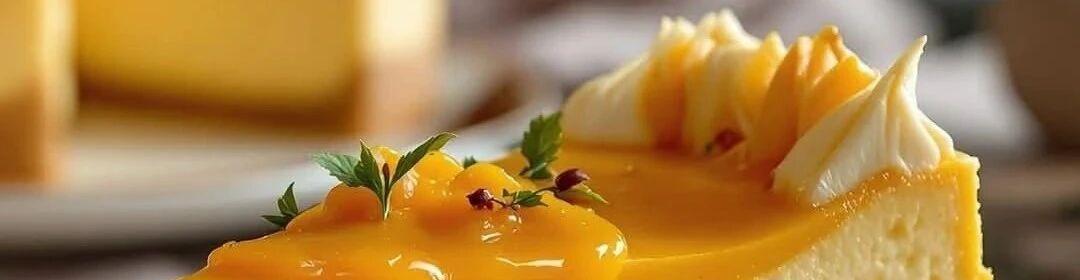
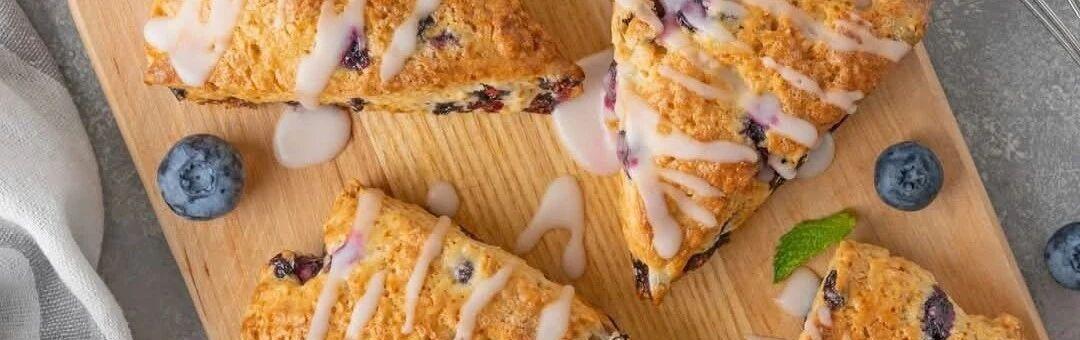
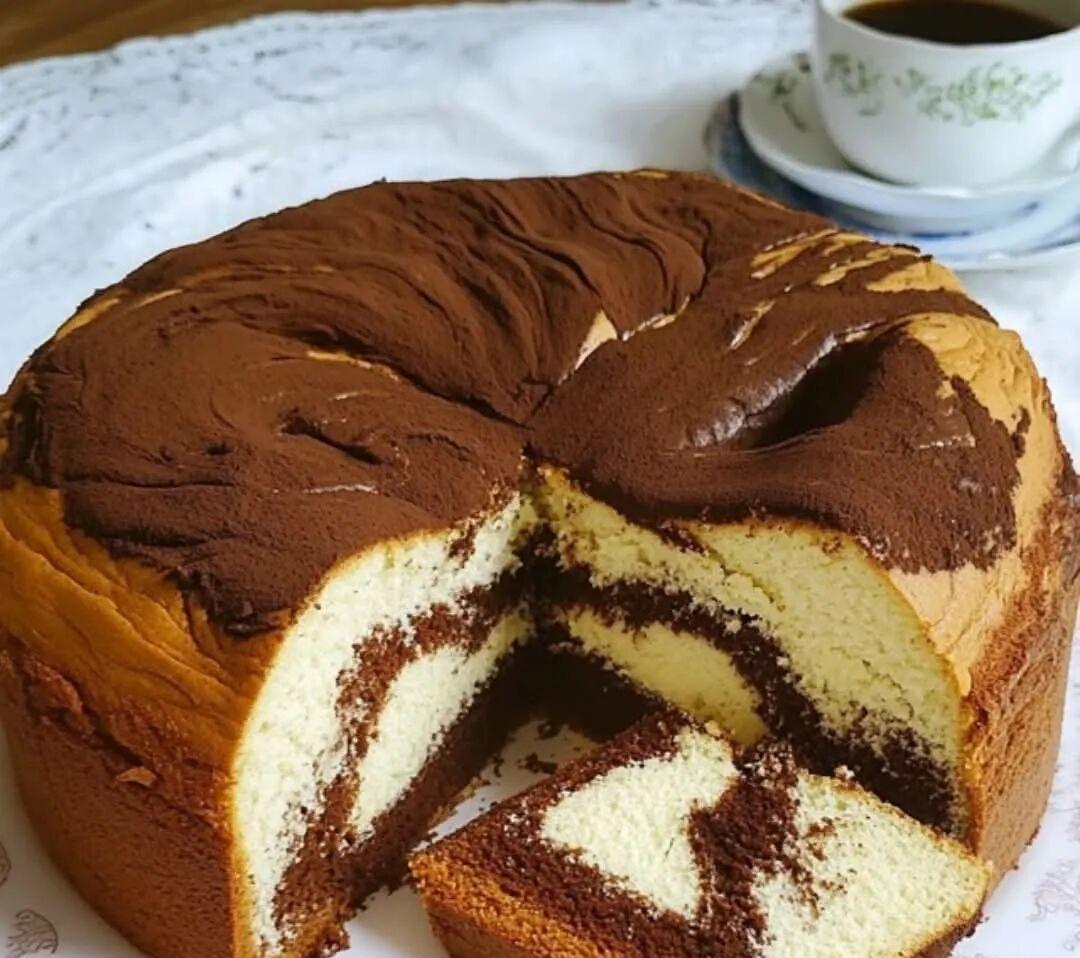
Marbled sponge cake
Ingredients
-250 g wheat flour
-200 g of sugar
-4 eggs
-100 g melted butter (or oil)
-1 teaspoon vanilla extract
-1 tsp baking powder
-1/2 tsp salt
-100 ml of milk
-50 g cocoa powder (unsweetened)
-50 ml of hot water
Optional trims
-1 tablespoon rock sugar (for sprinkling sugar).
Production instructions
1. Preheat the oven:
-Preheat oven to 180 °C (350 ° F) and oil or line a rectangular baking sheet with parchment paper.
2. Prepare the base batter:
-In a large bowl add eggs and white granulated sugar and beat until smooth and bubbly.
-Add the melted butter and vanilla extract and continue stirring until thoroughly combined.
-In a separate bowl, sift in flour, baking powder and salt. Add these dry ingredients to the liquid mixture alternately with milk. Mix until smooth.
3. Prepare cocoa mixture:
-Mix cocoa powder with hot water in a small bowl until a smooth paste forms.
4. Divide the dough
-Divide the base dough into two equal parts.
-Add the cocoa mixture to half of them and mix well.
5. Assemble marbled sponge cake:
-Pour the vanilla batter evenly into the mold.
-Add a spoonful of chocolate batter to the vanilla batter for an irregular marbling effect.
-Using a fork or knife, gently stir the batter into a spiral to form a marbling pattern.
6. Baking:
-Bake in the oven at 180 °C for 35-40 minutes until there is no problem inserting it through the middle with a toothpick.
7. Cool and garnish:
-Let the cake cool in the tin for 10 minutes, then unmold and place on a grid rack to cool completely.
-You can also sprinkle rock sugar on the cooled cake.
8. Serve:
-Cut into small pieces and enjoy this delicious marbled sponge cake.
Tips
-Variation: add coffee to the cocoa mixture for a richer flavor; Or add chocolate chips for a richer taste.
-Other flavors: Add pureed banana or raspberry to add fresh flavor.
-Storage: 3-4 days at room temperature in an airtight container, or frozen for longer.
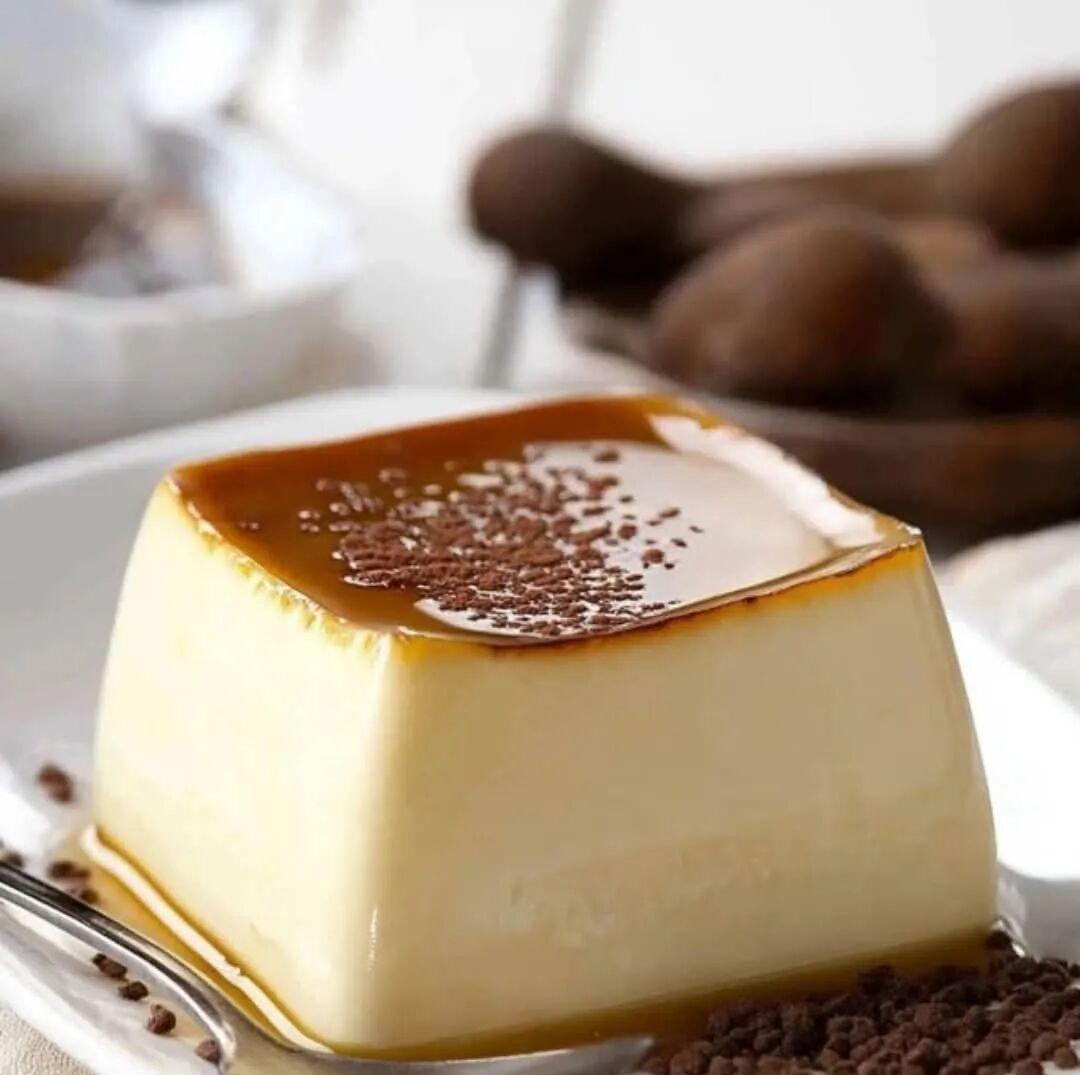
Delicious roasted milk
Ingredients
-500 ml whole milk
-4 eggs
-120 g of sugar
-1 teaspoon vanilla extract
-1 tablespoon cornstarch (optional, adds milky flavor)
-a pinch of salt
-Liquid caramel (covering the cup)
Production instructions
1. Prepare the caramel: In a small skillet, melt 50 g of sugar over medium heat until golden brown. Pour the caramel into the small glass with the toasted milk, covering the bottom of the glass. Allow to cool and harden.
2. Mix liquid ingredients: Beat eggs and sugar together in a large bowl until smooth. While continuing to stir, add a little milk at a time. Add vanilla extract and a pinch of salt. If deciding to use cornstarch, dissolve it in a small amount of milk before adding it to avoid lumps.
3. Bake the milk: Preheat oven to 160 °C. Pour the mixture into a cup and cover with the hardened caramel. Place the milk glass on a baking sheet and add hot water to the baking sheet (to halfway through the milk glass) to form a sink. Bake for about 40-45 minutes, or until removed clean by inserting a toothpick into the center.
4. Cool and serve: Cool to room temperature, then chill in the refrigerator for at least 2 hours. When demolding, use a knife to circle the edge of the cake cup and carefully flip it out.
Please enjoy this delicious chipotle sauce dish! I wish you a big appetite!

Roska-Dress
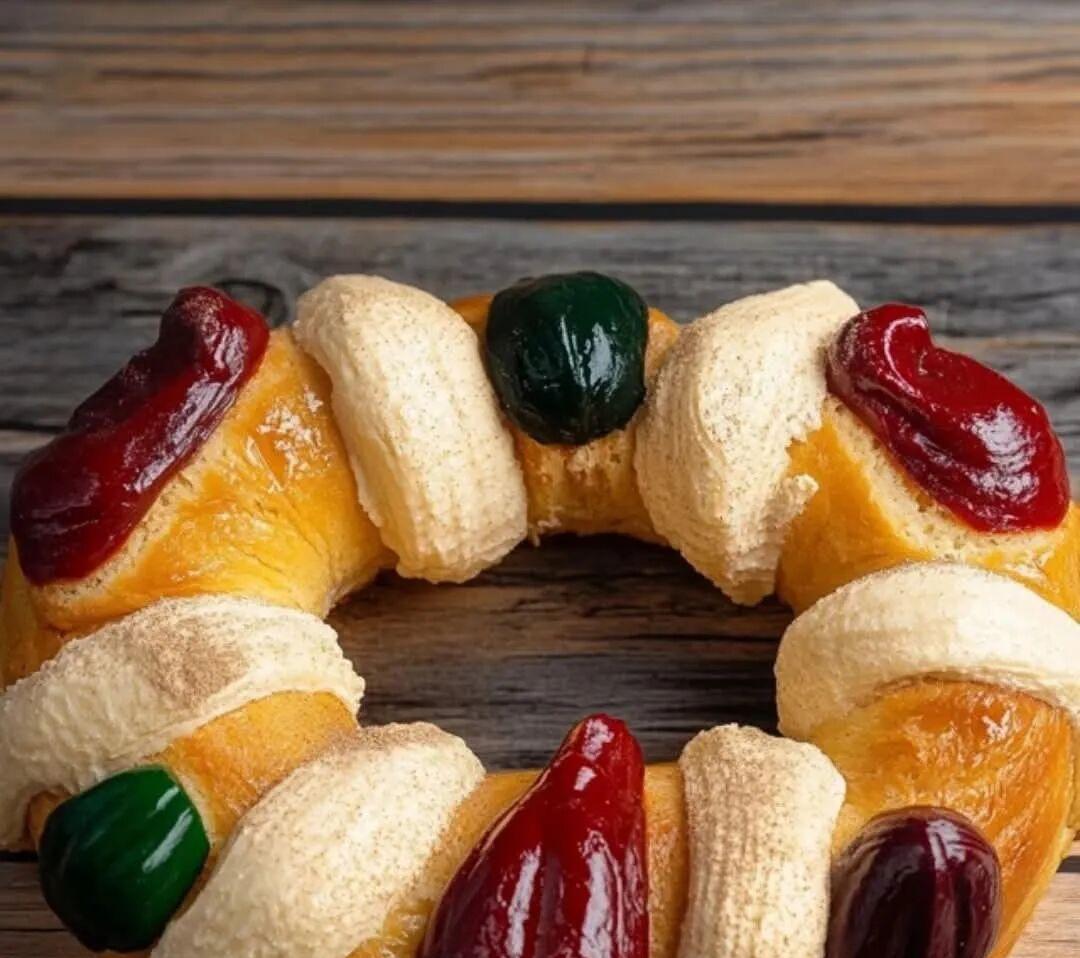
Ingredients
-500 grams of gluten flour
-100 g of sugar
-10 g of salt
-25 g of fresh yeast or 8 g of dry yeast
-250 ml warm milk
-100 g butter (room temperature)
-3 eggs
-1 tablespoon orange blossom essence (optional)
-1 orange peel
-1 lemon peel
-50 g candied fruit (optional, for garnish)
-1 egg (for coloring on donuts)
Filling (optional)
-200 ml whipped cream
-2 tablespoons rock sugar
-Candied fruit (for decoration)
-A surprise (according to tradition, you can hide a figurine inside a donut)
Production instructions
1. Prepare yeast: If using fresh yeast, dissolve it in warm milk with a teaspoon of sugar. Allow to stand for about 10 minutes until it activates. If using dry yeast, it can be added directly to the flour.
2. Mix the dry ingredients: In a large bowl, sift in flour, salt, and sugar. Add the orange zest and lemon zest and mix well.
3. Mix liquid ingredients: In a separate bowl beat the eggs and add the butter, neroli essence, and dissolved yeast (if using fresh yeast).
4. Knead the dough: Knead the dry ingredients into a volcano, then pour the liquid mixture into the middle. Mix until dough is smooth and elastic. Allow the dough to rest until doubled in size.
5. Shape the dough: Briefly knead the dough into a round shape and let it stand to proof.
6. Coloring and decorating: Preheat oven and coat donuts with beaten eggs and garnish with preserves, sugar and almonds.
7. Baking: Bake the donuts until golden brown.
8. Cooling: Remove from oven and place on a grid rack to cool.
9. Filling (optional): Whip the cream with rock sugar, cut the doughnuts in half, fill with the cream, and put together.
10. Serve: Enjoy your Rosca de Reyes!
[Warm Tips]
When making Western-style pastries, commonly used cups and tablespoon/teaspoon are standard units of capacity, which are mainly used to measure the volume of ingredients, rather than directly expressing weight. To convert these capacities into grams (g), it needs to be calculated based on the density of the specific ingredient, because the weight of different ingredients varies greatly.
Here are the approximate weights of some common ingredients for reference:
Cup Weight Conversion
1 cup = about 240 milliliters (mL), but the grams depend on the ingredients:
all-purpose flour: 1 cup ≈ 120-130 g (depending on the degree of compaction)
granulated sugar: 1 cup ≈ 200 g
brown sugar: 1 cup ≈ 220 g (lightly pressed)
butter: 1 cup ≈ 227 g
milk: 1 cup ≈ 240 g
water: 1 cup ≈ 240 g
Spoon weight conversion
1 tablespoon (tablespoon, tbsp) = 15 ml
Flour: 1 tablespoon ≈ 8-10 g
White sugar: 1 tablespoon ≈ 12.5 g
Cream: 1 tablespoon ≈ 14 g
Water: 1 tablespoon ≈ 15 g
1 teaspoon (teaspoon, tsp) = 5 ml
Flour: 1 teaspoon ≈ 3-4 g
White sugar: 1 teaspoon ≈ 4 g
Salt: 1 teaspoon ≈ 6 g
vanilla extract: 1 teaspoon ≈ 5 g
Notes
Status of ingredients: For example, whether the flour is sifted and whether the sugar is compacted will affect the weight.
Precise measurements: If the recipe calls for precision, it is recommended to use an electronic scale to weigh directly, rather than relying entirely on cups or spoons.
Regional differences: This refers to the standard cup (240 mL) commonly used in the United States, other regions (such as Australia, 1 cup = 250 mL) may vary slightly.