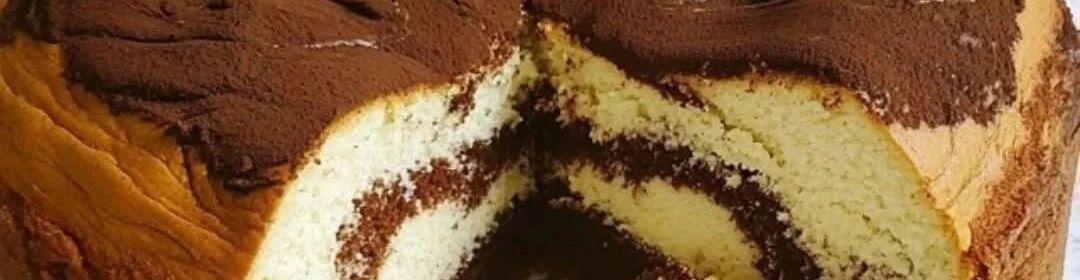
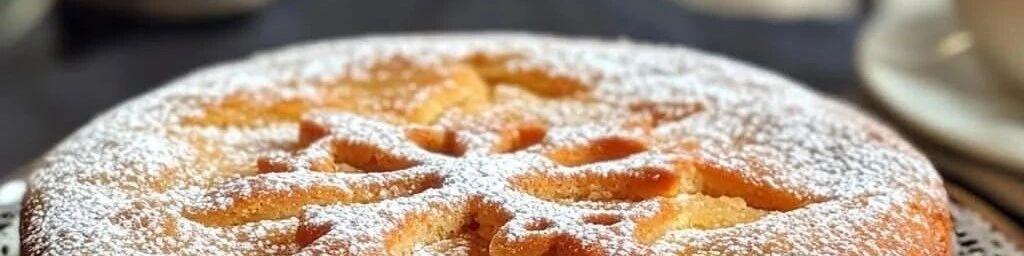
Chocolate cake
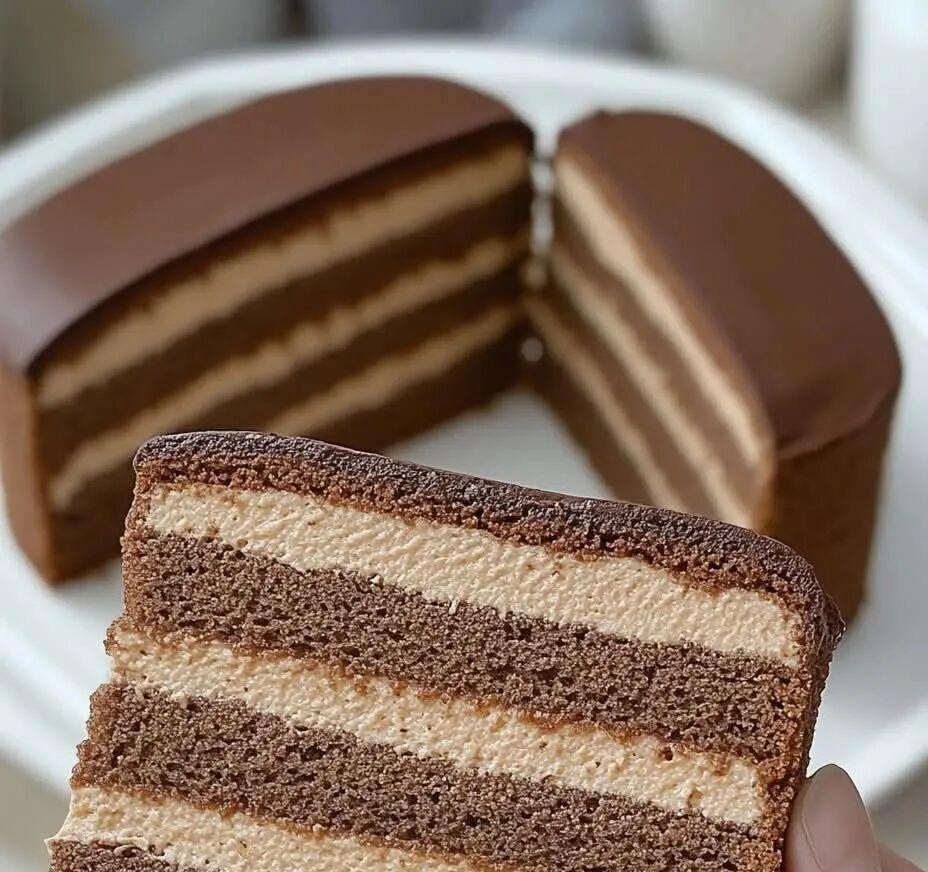
Material
Cake embryo:
Boiling water: 55 g
Cocoa powder: 12 g
Corn oil: 50 g
Low gluten flour: 58 g
Eggs: 5 (separate yolk and white)
White sugar: 55 g
Lemon juice: moderate amount (about a few drops)
Chocolate Cream Filling:
Whipped cream (A): 30 g
Dark chocolate: 30 g
Whipped cream (B): 220 g
Sugar: 20 g
Fabrication steps
1. Make cake embryo:
Mix cocoa paste: Mix 55 g boiling water with 12 g cocoa powder thoroughly and evenly to ensure no particles.
Emulsified oil: Add 50 g of corn oil and continue to stir until the mixture is emulsified (uniform and smooth).
Add flour: Sift in 58 g of low-gluten flour and gently stir until there is no dry powder, taking care not to over-stir.
Add egg yolks: Add 5 egg yolks one by one and stir until smooth to get an egg yolk paste, set aside.
Beat the meringue:
In a clean oil-free container, add 5 egg whites and a few drops of lemon juice.
Use an electric egg beater to beat at low speed until coarse foaming, add 55 g of white sugar (about 18 g each time) in 3 times, and continue to beat at high speed until the meringue shows wet foaming (lift the egg beater and have a hook shape).
Mix the batter:
Add 1/3 of the meringue to the egg yolk paste and gently mix it well with a spatula (turn it up from the bottom to avoid defoaming).
Pour the combined batter back into the remaining meringue and continue to gently mix until smooth.
Roasting:
Pour the batter into a baking sheet lined with oiled paper (28 x 28 cm square baking sheet or similar size is recommended) and use a spatula to smooth the surface.
Preheat the oven to 150 °C, place in the middle layer and bake for about 40 minutes (you can insert a toothpick into the center of the cake, pull out and cook without gunk).
After baking, take it out, gently shake the baking pan to release the hot air, let it cool and then demould.
2. Make chocolate cream sandwich:
To make the chocolate sauce:
Take 30 g of whipped cream (A) and 30 g of dark chocolate, put them in a heatproof container, heat with insulated water (water temperature about 50-60 °C), and stir until the chocolate is completely melted.
Allow to cool and refrigerate for later use (about 30 minutes, making sure not to set too much).
Whip the cream:
In a clean container, add 220 g of whipped cream (B) and 20 g of white sugar and beat with an electric whisk on medium speed.
When the cream starts to thicken, add the refrigerated chocolate sauce and continue to beat until firm and foamy (there are upright spikes when lifting the whisk).
Pack the whipped chocolate cream into a piping bag and set aside.
3. Assemble the cake:
Cut the cake embryo: Cut the completely cool cake embryo in half horizontally and divide it into two pieces.
Fill with cream: Squeeze chocolate cream evenly on a piece of cake base (you can control the thickness according to your preference).
Cover the cake: Lightly cover the other piece of cake embryo, lightly pressing to align.
Plaster and shape:
Smooth out the surface and sides of the cake with the remaining chocolate buttercream.
Place the cake in the freezer for about 20-30 minutes to help shape the buttercream.
Cutting: Take out the shaped cake and cut it into even small pieces with a hot knife (dip the knife in hot water and dry it).
Tips
Meringue beating: Make sure the whisk and container are oil-free and water-free, otherwise it will affect the white beating. Lemon juice stabilizes the meringue and increases the success rate of whipping.
Oven Temperature: There may be temperature difference between different ovens, it is recommended to confirm the actual temperature with an oven thermometer and adjust the baking time if necessary.
Cream beating: Whipped cream should be refrigerated (about 4 °C) before beating to avoid overheating and separating. Be careful not to overdo it when beating or the cream will become grainy.
Storage: The finished cake is recommended to be stored refrigerated, and it is best to eat within 2-3 days.
This cake is easy to make, has a soft taste, and the chocolate cream is fragrant and not greasy! If there are any steps that need further explanation, or if you want to adjust the recipe (such as reducing sugar or changing to other flavors), feel free to let me know ~ 

Blueberry pie
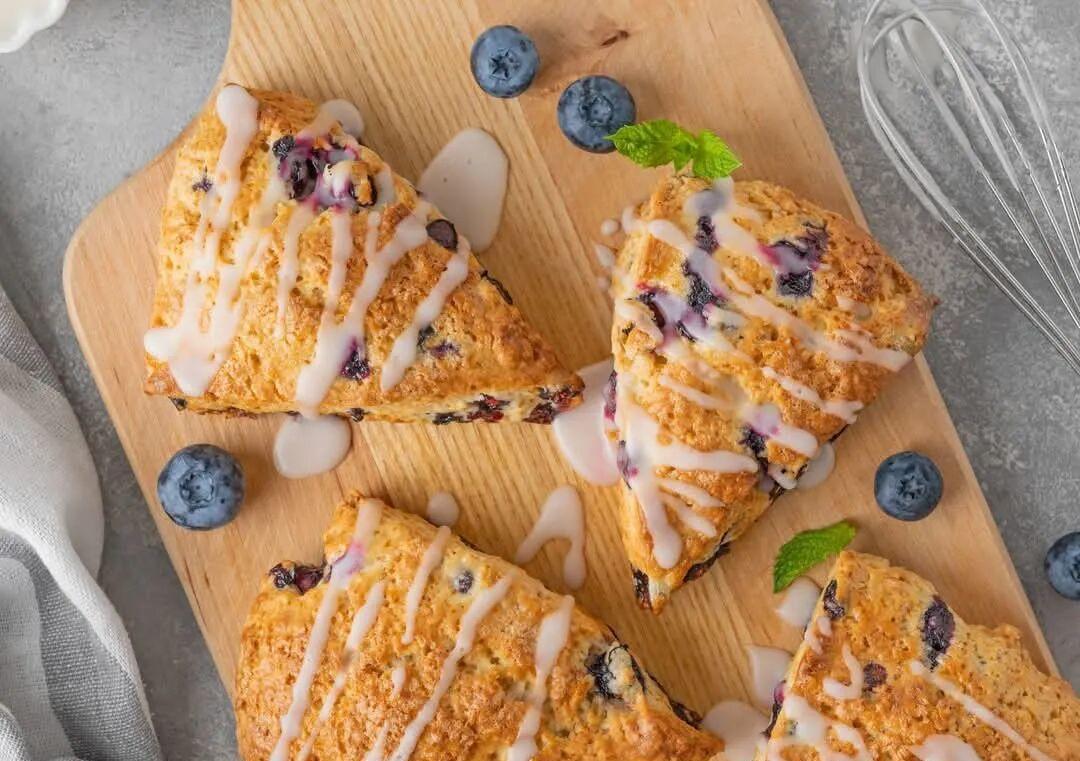
Ingredients:
-2 ¾ cups of flour 0000
-1/3 cup sugar
-1 tablespoon baking powder
-½ teaspoon baking soda
-¾ teaspoon salt
-115 g butter
-¾ Cup Fresh Cranberries
-1 tablespoon vanilla extract
-1 cup buttermilk (can be prepared with 1 cup warm milk or room temperature milk + 2 tablespoons freshly squeezed lemon juice, strain and leave at room temperature for about 15 minutes, after which it looks like cut milk or liquid yogurt. Stir well and put in the refrigerator (cover the container with plastic wrap and store for at least 1 hour because we are going to use it refrigerated).
If homemade buttermilk is to be used, first prepare it according to the instructions in the last item of the ingredients and allow it to cool.
Sift the flour in a large bowl and mix with the sugar, baking powder, baking soda, and salt. Add the cold diced butter and rub with your fingertips to form the mixture.
Gently add the cranberries.
Combine vanilla extract and cold buttermilk, adding a little at a time to make the dough moist but not moist (it depends, you can’t use up all the buttermilk, just until all the ingredients are combined).
Place the dough on a floured work table and gently roll it out into circular discs about 18 cm in diameter. Cut the disc in half, then cut each half into 4 triangles (8 triangles-just like cutting a pizza).
Place the triangles in a baking pan lined with greaseproof paper, 5 cm apart, and chill in the fridge for 2 hours.
After that, remove from the fridge and bake in a preheated 200 º C oven for 15-20 minutes until golden brown.
Place on a grid rack to cool.
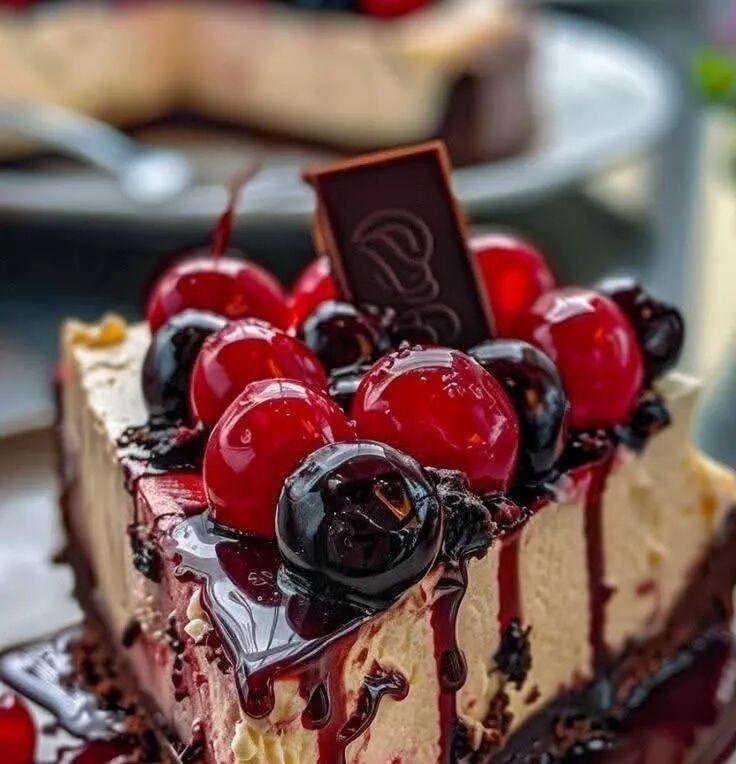
Black Forest cheesecake
Ingredients
Bottom material
1 ½ cup chocolate chip cookies
1 ¼ cup melted butter
Cheesecake dough
450 g cream cheese (room temperature)
¾ Cup Blue Glass
1 glass of wine extract
1 beer (Chantilly type)
Ceremonial layer
1 can (590 g) of canned food filled with rice
Chocolate coating
1 can of paper towels
½ cup chocolate or jar of chocolate
Preparation
Substrate:
There are plenty of chocolate cakes made with berries and butter. Press the mixture into the bottom of a 23 x 33 cm cake tin. Place in the refrigerator for 10 minutes to keep it firm.
Cheesecake batter
Whisk the cream cheese with the rock sugar and oil press until smooth. Add the whipped cream in a surrounding fashion. This is the most important thing for the family and the surface.
Ritual Layer:
Spread cherry filling evenly over the cheese layer.
The last one:
A large glass of coconut milk, garnished with chocolate juice or a jar of chocolate giolito.
Refrigeration:
Refrigerate 2 hours before serving.
Additional Information
Preparation time: 15 minutes
Cooldown: 2 hours
Number of copies: 12
Calories per serving: 300
[Warm Tips] When making Western-style pastries, commonly used cups and tablespoon/teaspoon are standard units of capacity, which are mainly used to measure the volume of ingredients, rather than directly expressing weight. To convert these capacities into grams (g), it needs to be calculated based on the density of the specific ingredient, because the weight of different ingredients varies greatly. Here are the approximate weights of some common ingredients for reference:
Cup Weight Conversion
1 cup = about 240 milliliters (mL), but the grams depend on the ingredients:
all-purpose flour: 1 cup ≈ 120-130 g (depending on the degree of compaction)
granulated sugar: 1 cup ≈ 200 g
brown sugar: 1 cup ≈ 220 g (lightly pressed)
butter: 1 cup ≈ 227 g
milk: 1 cup ≈ 240 g
water: 1 cup ≈ 240 g
Spoon weight conversion
1 tablespoon (tablespoon, tbsp) = 15 ml
Flour: 1 tablespoon ≈ 8-10 g
White sugar: 1 tablespoon ≈ 12.5 g
Cream: 1 tablespoon ≈ 14 g
Water: 1 tablespoon ≈ 15 g
1 teaspoon (teaspoon, tsp) = 5 ml
Flour: 1 teaspoon ≈ 3-4 g
White sugar: 1 teaspoon ≈ 4 g
Salt: 1 teaspoon ≈ 6 g
vanilla extract: 1 teaspoon ≈ 5 g
Notes
Status of ingredients: For example, whether the flour is sifted and whether the sugar is compacted will affect the weight.
Precise measurement: If the recipe calls for precision, it is recommended to use an electronic scale to weigh directly, rather than relying entirely on cups or spoons.
Regional differences: This refers to the standard cup (240 mL) commonly used in the United States, other regions (such as Australia, 1 cup = 250 mL) may vary slightly.
END