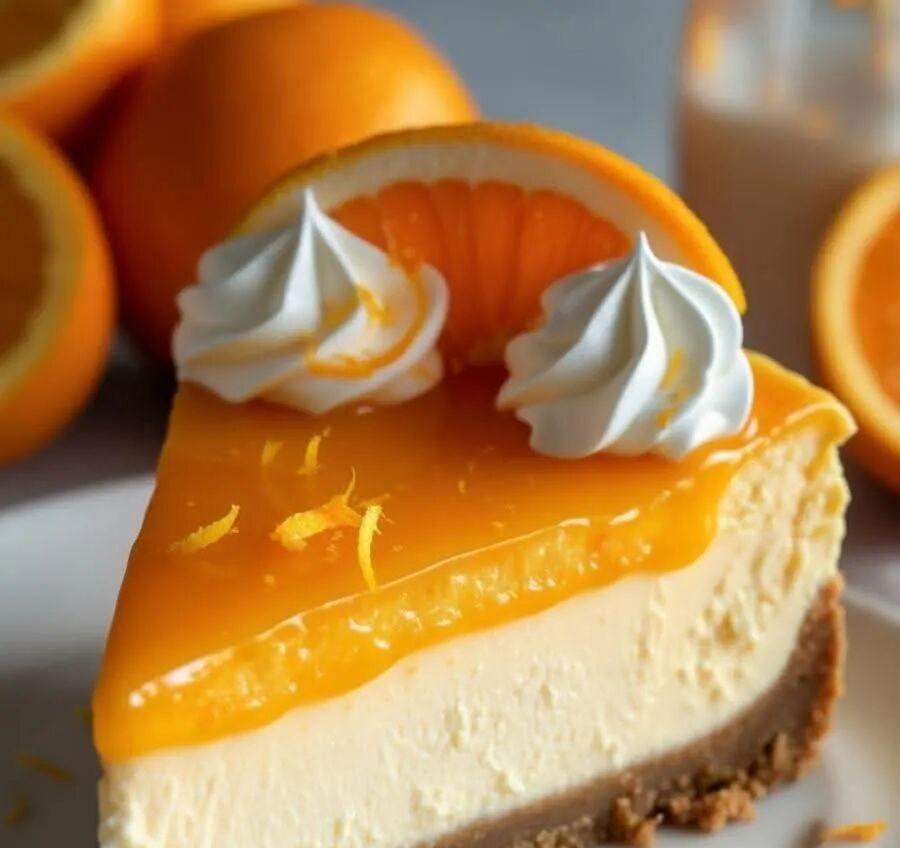
Orange Cheesecake with Orange Syrup 🍊 🍰
Ingredients
📌 Bottom material
-200 grams of maria or digestive biscuits.
-100 g melted butter
📌 Cream cheese and orange cream:
-500 g cream cheese (Philadelphia type)
-150 g of sugar
-200 ml whipped cream
-150 ml natural orange juice
-Peel of 1 orange
-10 g of tasteless gelatin (soaked in 50 ml of water)
-1 teaspoon vanilla extract
📌 To make orange syrup:
-150 ml natural orange juice
-80 g of sugar
-1 teaspoon cornstarch in 2 tablespoons water
-Grated ½ orange peel
Preparation
1 ️ ⃣ Prepare the base material:
-Grind the biscuits into a fine powder.
-Mix with melted butter into sand grains.
-Press the mixture into the bottom of a springform pan and chill in the fridge for 20 minutes.
2 ️ ⃣ Prepare cream cheese and orange cream:
-In a bowl, beat cream cheese with sugar, orange zest and vanilla extract until smooth.
-Add orange juice and mix well.
-In a separate bowl, beat the whipped cream to a soft peak and pour into the mixture.
-Melt the hydrated gelatin in the microwave for a few seconds, then slowly add it to the mixture.
-Pour the mixture over the cookie base and chill in the refrigerator for at least 4 hours until fully set.
3 ️ ⃣ Prepare orange syrup:
-In a saucepan, heat the orange juice, sugar and orange zest over medium heat.
-When it starts to boil, add the dissolved cornstarch and stir until slightly viscous.
-Ready to use after cooling.
4 ️ ⃣ Decorate and serve:
-Unmold the cheesecake and pour the orange syrup on top.
-Garnish with orange slices or other peels.
Enjoy this creamy cheesecake with an irresistible citrus flavor! 🍊 😋
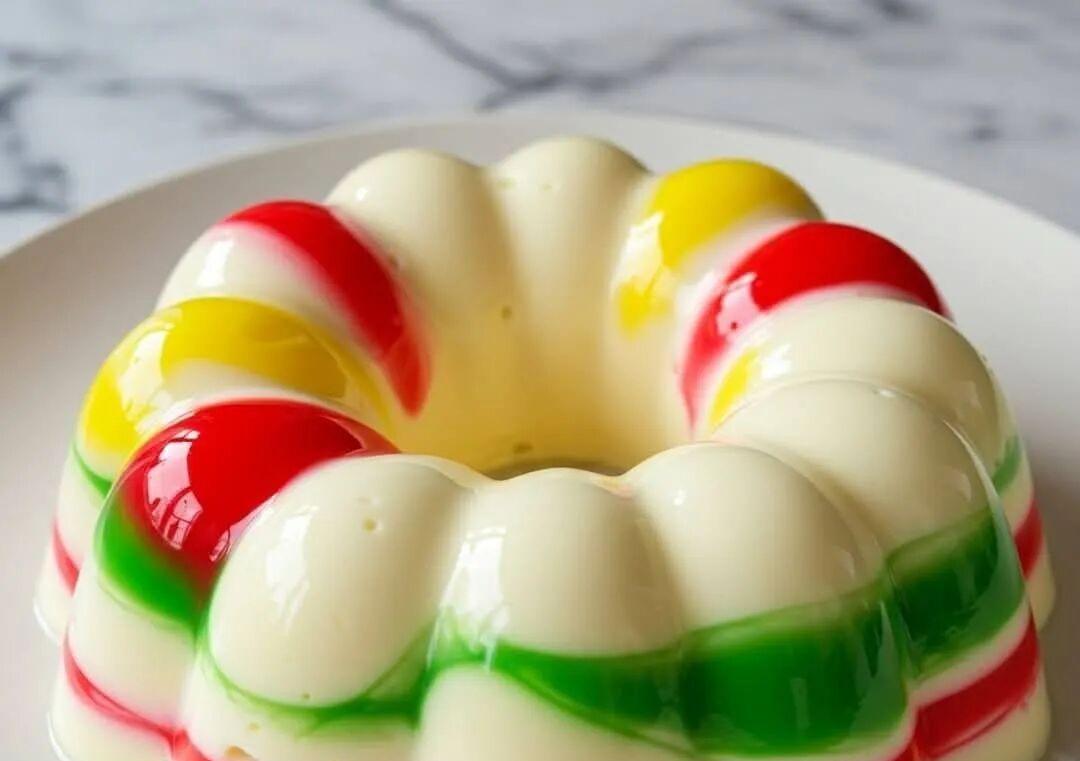
Acoris Jelly
ingredient
5 boxes of gelatin in different flavors/colors
2 bags of tasteless gelatin
1 can of condensed milk
1 can of evaporated milk
1 cup cold water
1 cup hot water
1 tsp vanilla
Production instructions
Prepare each color of gelatin according to package directions, adding less water to make it firmer.
Place each jelly in the refrigerator until set.
Cut the jelly into small cubes.
Place the tasteless gelatin in cold water.
Add hot water and stir until dissolved.
Add the milk and vanilla and mix well.
Cool until warm.
Place small colored squares in a large mold.
Pour the white mixture over the squares.
Refrigerate for at least 4 hours.
What color mosaic jelly would you choose?
Grandma’s classic cupcakes 🧁
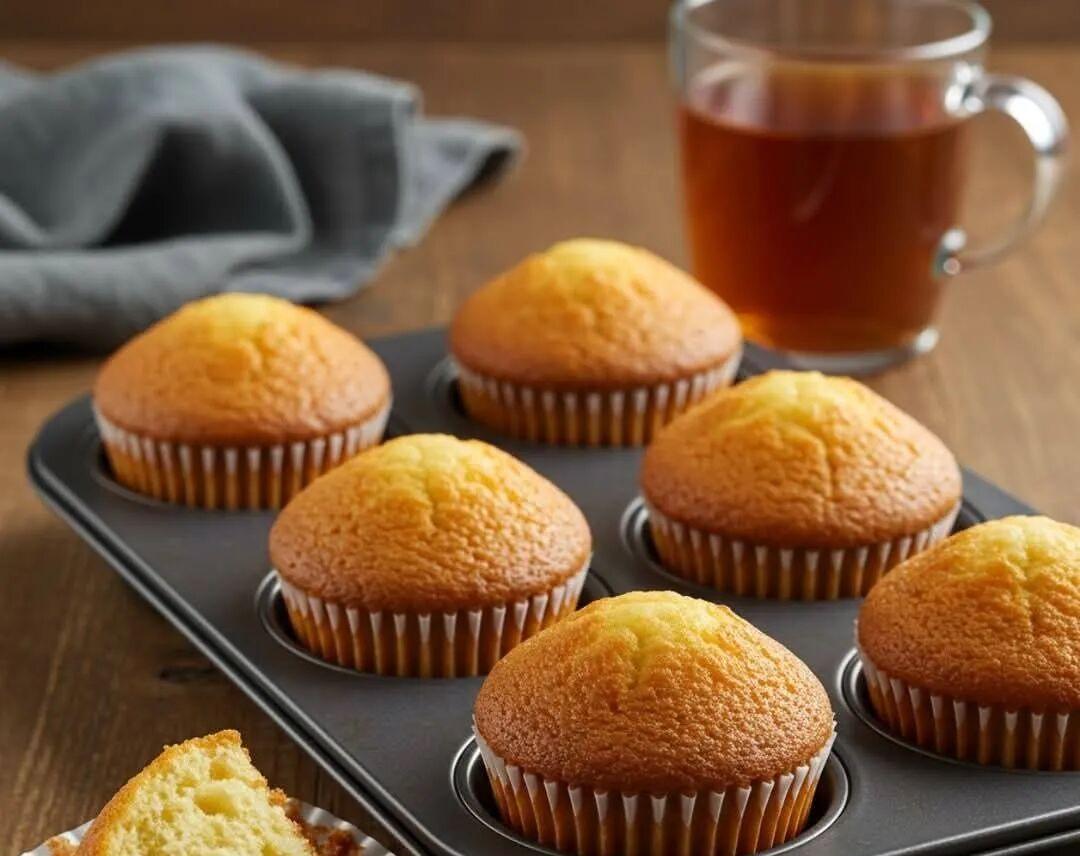
We bring this timeless traditional recipe for you who are conscious of authenticity. The muffins of a lifetime with our beloved specialty frosting. Your family deserves to be awakened by the aroma of these freshly baked treats-every bite is tradition!
Ingredients
3 large eggs
150 g sugar
120 ml light olive oil
120 ml whole milk
250 g wheat flour
16 g baking powder (1 pack)
Lemon peel
1 tsp vanilla extract
Sprinkle sugar
Production instructions
Preheat oven to 200 °C and place in a baking dish.
In a large bowl, beat eggs with sugar until bubbly.
Gradually add oil and milk while stirring.
Stir in lemon zest and vanilla.
Sift the flour and baking powder, then gently add to the mixture.
Let the dough sit for 10 minutes (this is the secret to the perfect pastry!).
Fill 2/3 of the mold with dough, then sprinkle white sugar on top.
Bake at 200 °C for 5 minutes, then drop to 180 °C for another 12-15 minutes.
Place on a grid rack to cool, then enjoy with a cup of fragrant coffee.
[Warm Tips]
When making Western-style pastries, commonly used cups and tablespoon/teaspoon are standard units of capacity, which are mainly used to measure the volume of ingredients, rather than directly expressing weight. To convert these capacities to grams (g), it needs to be calculated based on the density of the specific ingredient, because the weight of different ingredients varies greatly.
Here are the approximate weights of some common ingredients for reference:
Cup Weight Conversion
1 cup = about 240 milliliters (mL), but the grams depend on the ingredients:
all-purpose flour: 1 cup ≈ 120-130 g (depending on the degree of compaction)
granulated sugar: 1 cup ≈ 200 g
brown sugar: 1 cup ≈ 220 g (lightly pressed)
butter: 1 cup ≈ 227 g
milk: 1 cup ≈ 240 g
water: 1 cup ≈ 240 g
Spoon weight conversion
1 tablespoon (tablespoon, tbsp) = 15 ml
Flour: 1 tablespoon ≈ 8-10 g
White sugar: 1 tablespoon ≈ 12.5 g
Cream: 1 tablespoon ≈ 14 g
Water: 1 tablespoon ≈ 15 g
1 teaspoon (teaspoon, tsp) = 5 ml
Flour: 1 teaspoon ≈ 3-4 g
White sugar: 1 teaspoon ≈ 4 g
Salt: 1 teaspoon ≈ 6 g
vanilla extract: 1 teaspoon ≈ 5 g
Notes
Status of ingredients: For example, whether the flour is sifted and whether the sugar is compacted will affect the weight.
Precise measurement: If the recipe calls for precision, it is recommended to use an electronic scale to weigh directly, rather than relying entirely on cups or spoons.
Regional differences: This refers to the standard cup (240 mL) commonly used in the United States, other regions (such as Australia, 1 cup = 250 mL) may vary slightly.
END