 My Blog
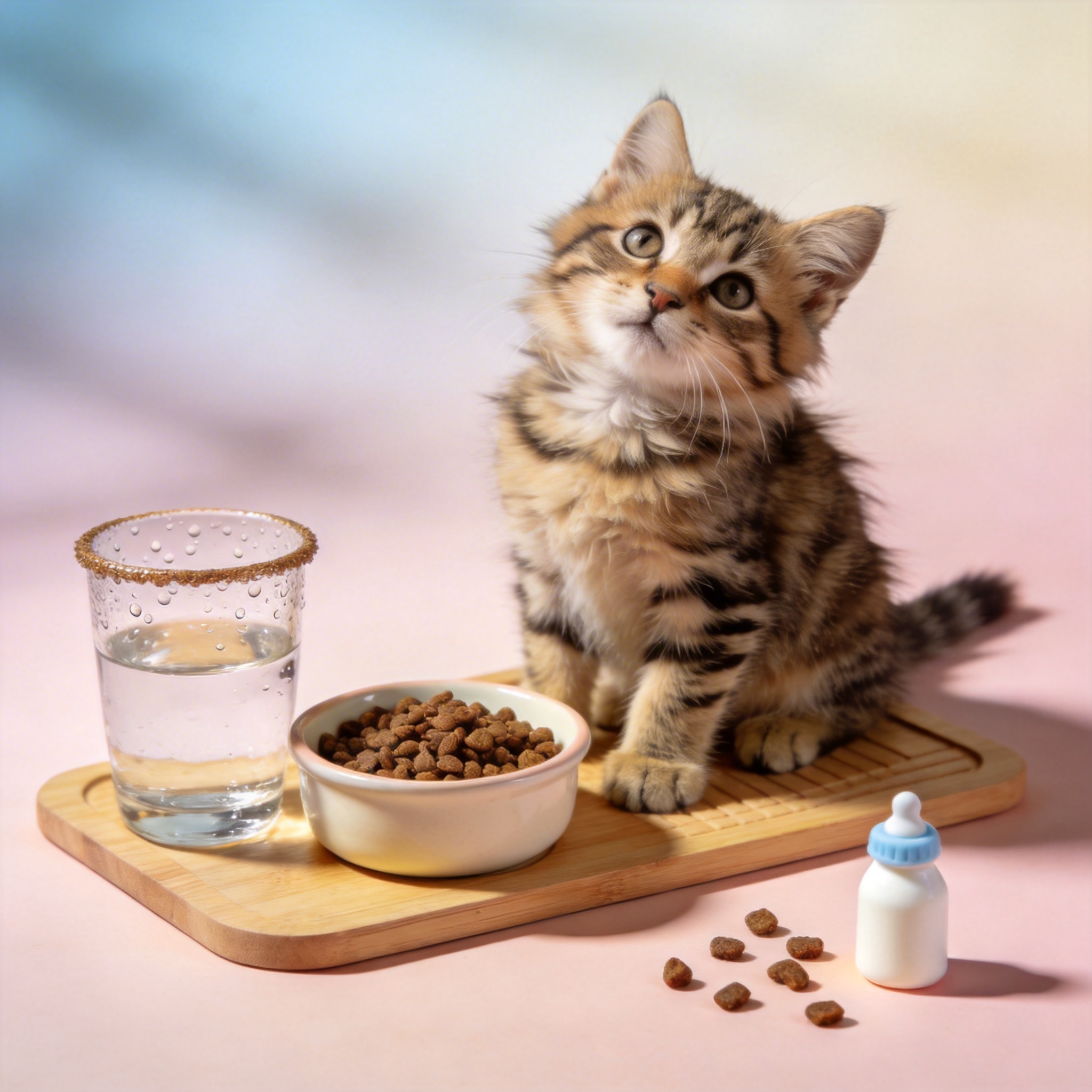
Bringing a new kitten home is a whirlwind of joy, tiny paws, and endless curiosity. Amidst the playtime and cuddles, one of the most crucial responsibilities you’ll undertake is ensuring your little furball gets the right nutrition. Proper feeding in the first year sets the stage for a lifetime of health, vitality, and well-being. But with so many food options and conflicting advice, where do you start? As someone who has navigated this journey countless times with cat owners, I’ve compiled this comprehensive guide to demystify kitten feeding. From decoding food labels to establishing a perfect feeding schedule, we’ll cover everything you need to know to raise a happy, healthy, and thriving feline companion.
The Foundation: Understanding Kitten Nutritional Needs
Kittens are not just small cats; they are growing at an astonishing rate. From birth to about six months of age, they are in a phase of rapid development, building bone, muscle, and a robust immune system. This incredible growth demands a diet that is significantly denser in calories and specific nutrients compared to adult cat food. A high-quality kitten food is specially formulated to be rich in protein, the building block for muscles and tissues. It also contains higher levels of fat for concentrated energy, essential fatty acids (like DHA) for brain and vision development, and increased amounts of calcium and phosphorus for strong bones and teeth. Feeding an adult cat food to a kitten can lead to nutritional deficiencies, stunted growth, and long-term health issues. Always look for labels that state the food meets the nutritional levels established by the AAFCO (Association of American Feed Control Officials) Cat Food Nutrient Profiles for growth or all life stages.
Choosing the Right Food: Wet, Dry, or a Combo?
This is one of the most common dilemmas for new kitten parents. Each type has its pros and cons, and many experts recommend a combination approach.
- Wet (Canned) Food: High in moisture (around 75-80%), which helps support urinary tract health and overall hydration. It’s often more palatable, softer for tiny teeth, and typically higher in protein and lower in carbohydrates. It’s excellent for ensuring your kitten gets enough fluids, especially if they aren’t big water drinkers.
- Dry Food (Kibble): Convenient, cost-effective, and can be left out for free-feeding (more on that later). It helps with dental health by scraping plaque off teeth as they chew. However, it’s low in moisture and can be higher in carbs.
A popular and balanced strategy is to feed a combination of both. You can offer wet food at scheduled mealtimes (e.g., morning and evening) and leave out a small, measured amount of high-quality dry kibble for grazing throughout the day. This provides the hydration benefits of wet food while offering the dental and convenience perks of dry food.
Crafting the Perfect Feeding Schedule
Consistency is key when it comes to feeding your kitten. Their tiny stomachs can’t hold much food at once, but they burn through calories quickly. Here’s a general timeline to follow:
- Up to 4 Weeks: Kittens should be solely nursing from their mother or bottle-fed with a kitten milk replacer (never cow’s milk!).
- 4-8 Weeks (Weaning): Introduce a slurry of high-quality wet kitten food mixed with kitten formula. Offer this mixture 4-6 times a day, gradually reducing the amount of formula.
- 2-6 Months: This is peak growth time. Feed your kitten three to four scheduled meals per day. Portion sizes depend on the food’s caloric content and your kitten’s breed and activity level—always follow the guidelines on the packaging and consult your vet.
- 6-12 Months: You can begin to reduce feedings to two to three meals per day. Around 10-12 months, you can start transitioning to an adult cat food formula, doing so gradually over 7-10 days to avoid stomach upset.
Avoid the temptation to free-feed (leaving an unlimited bowl of food out) with only dry food, as it can lead to overeating and obesity later in life. Scheduled meals help you monitor appetite (a sudden loss can signal illness) and make litter box habits more predictable.
Essential Do’s and Don’ts at Mealtime
DO: Provide constant access to fresh, clean water in a shallow, wide bowl (some kittens dislike deep bowls that touch their whiskers).
DO: Transition foods slowly over 7-10 days by mixing increasing amounts of the new food with the old.
DO: Keep feeding areas calm and quiet, away from high-traffic zones and litter boxes.
DON’T: Feed human food, especially toxic items like onions, garlic, chocolate, grapes, and xylitol (found in sugar-free products).
DON’T: Give cow’s milk, as kittens lack the enzyme to digest it properly, leading to diarrhea.
DON’T: Offer a vegetarian diet. Cats are obligate carnivores and require nutrients like taurine, found only in animal tissue.
Special Considerations and Troubleshooting
Every kitten is unique, and you may encounter some bumps along the feeding road. If your kitten is a rescue, they might have food insecurity and tend to gorge. Stick to a strict schedule to build trust. For orphaned or bottle-fed kittens, follow a strict formula feeding schedule as directed by your veterinarian—never feed them on their back. Some kittens are naturally picky eaters. If this happens, ensure you’re not offering too many treats, try warming the wet food slightly to enhance aroma, or experiment with different textures (pate, shreds, gravy).
The most important partner in your kitten’s nutritional journey is your veterinarian. They can provide tailored advice based on your kitten’s specific breed, health status, and growth rate. Regular check-ups will ensure your kitten is growing appropriately and allow for early detection of any potential issues. Signs that warrant a vet call include persistent refusal to eat for more than 24 hours, vomiting or diarrhea, obvious discomfort during eating, or failure to gain weight.
Nourishing a Lifetime of Health
Feeding your kitten is about so much more than just filling a bowl. It’s an act of care that directly shapes their future. By choosing a nutrient-rich diet designed for growth, establishing a consistent and appropriate feeding schedule, and being mindful of their unique needs, you are giving your feline friend the absolute best start in life. The effort you put in during these formative months pays dividends for years to come, resulting in a cat that is not only physically strong but also bonded to you through the routine and care of daily meals. Embrace this precious time, watch them grow with vigor, and take pride in knowing you are laying the foundation for a long, healthy, and happy life together.