 My Blog
Weight Management Dog Food: A Complete Guide to a Healthier, Happier Pet
As a loving dog owner, you want nothing but the best for your furry companion. Yet, one of the most common and concerning health issues facing pets today is often overlooked, hiding in plain sight under a layer of extra cuddles: canine obesity. With over 50% of dogs in many countries classified as overweight or obese, the struggle is real. This is where the strategic use of weight management dog food becomes a critical tool, not just a diet trend. It’s about more than shedding pounds; it’s about enhancing vitality, extending lifespan, and improving quality of life. This comprehensive guide will walk you through everything you need to know about choosing and using weight management diets to help your dog achieve and maintain their ideal physique.
Understanding the “Why”: The Science Behind Weight Management Formulas
Weight management dog food isn’t simply less of your dog’s regular kibble. That approach can lead to nutrient deficiencies and a hungry, unhappy pup. Instead, these are scientifically formulated diets designed to create a safe caloric deficit while maintaining optimal nutrition. The goal is to promote fat loss while preserving precious lean muscle mass. This is achieved through a careful balance of key nutritional adjustments.
Key Nutritional Strategies in Weight Control Diets:
- Controlled Calorie Density: These foods have fewer calories per cup or gram compared to maintenance diets. This is done by increasing fiber (like cellulose or beet pulp) and reducing fat content, which is the most calorie-dense nutrient.
- Increased Protein: High-quality, lean protein is essential. It supports muscle maintenance during weight loss, promotes satiety (the feeling of fullness), and has a higher thermic effect, meaning the body uses more energy to digest it.
- Balanced Fiber: Soluble and insoluble fibers help your dog feel fuller longer, regulate blood sugar, and support healthy digestion. This helps curb begging and food-seeking behavior.
- Supplemented with L-Carnitine: This amino acid derivative plays a vital role in the body’s ability to burn fat for energy, acting as a shuttle that transports fatty acids into the mitochondria to be converted into fuel.
- Optimal Nutrient Ratios: Even with fewer calories, the food is packed with essential vitamins, minerals, and fatty acids to ensure overall health is supported during the weight loss journey.
Choosing the Right Food and Implementing a Successful Plan
Not all weight management foods are created equal, and the “best” one is the one that works for your individual dog. Start with a veterinary consultation. Your vet can confirm your dog’s ideal target weight, rule out underlying medical causes for weight gain (like hypothyroidism), and recommend specific dietary profiles. When evaluating a food, look beyond the marketing and examine the guaranteed analysis and nutritional adequacy statement.
Steps for a Successful Weight Management Program:
- Veterinary Partnership: This is non-negotiable. Your vet will provide a safe weekly weight loss goal (typically 1-2% of body weight).
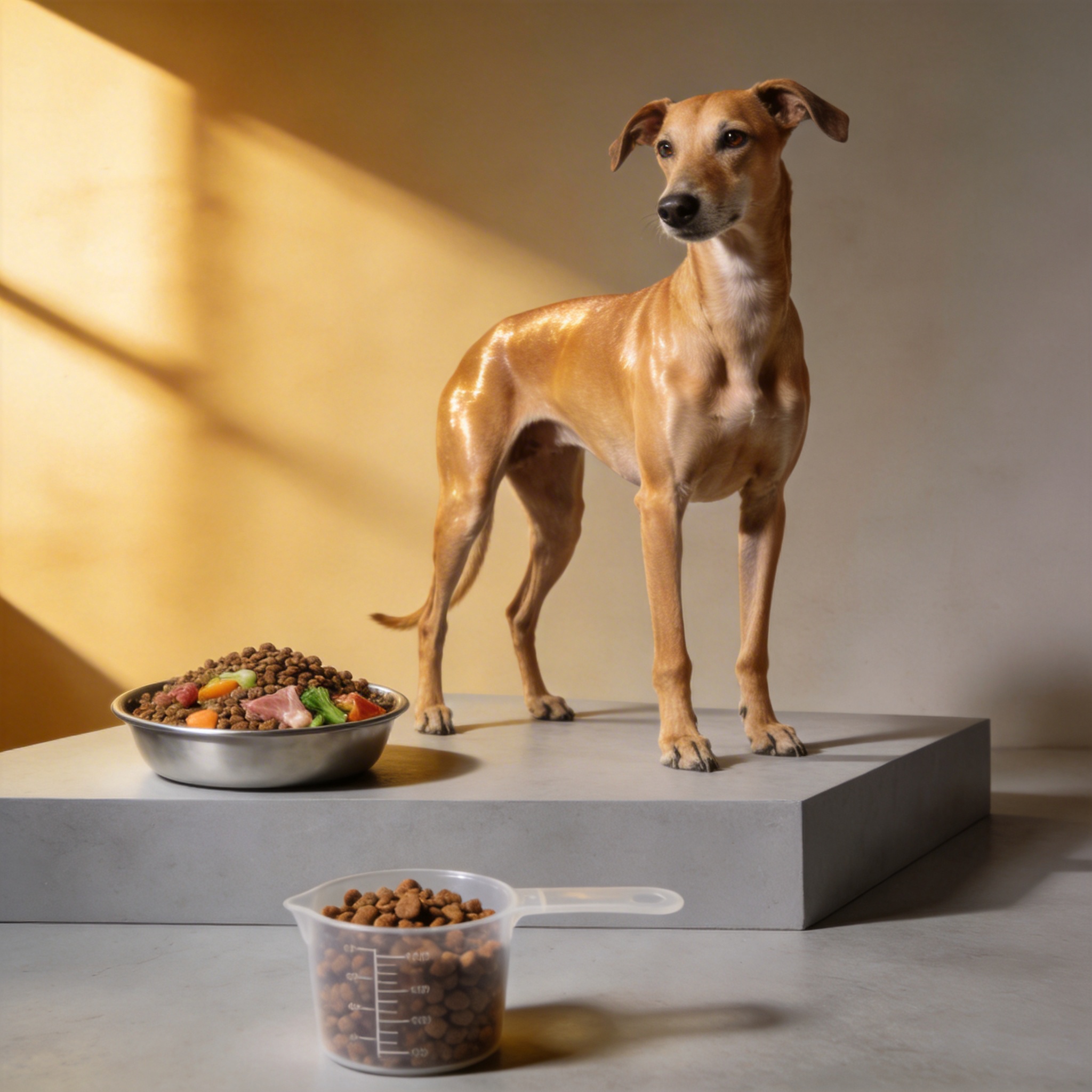
- Accurate Measuring: Use a standard measuring cup or, even better, a kitchen scale for precise portion control. “Eyeballing” it is a common pitfall.
- Scheduled Feedings: Transition from free-feeding to two measured meals per day. This helps with metabolism regulation and allows you to monitor appetite.
- Treat Accountability: Treats should not exceed 10% of daily caloric intake. Opt for low-calorie options like green beans, air-popped popcorn (no salt/butter), or commercial training treats. Always subtract treat calories from the daily meal allowance.
- Consistent Weigh-Ins: Weigh your dog every 2-4 weeks on the same scale to track progress and adjust portions as needed.
Beyond the Bowl: The Holistic Approach to Canine Weight Loss
While the right food is the cornerstone, sustainable weight management is a three-legged stool supported by diet, exercise, and behavior modification. A specialized diet alone cannot solve the problem without addressing lifestyle factors. Increasing physical activity is crucial, but it must be done safely and gradually for an overweight dog to avoid joint injury.
Consider low-impact exercises like leash walks, swimming, or gentle play sessions. Mental stimulation is also a powerful tool; using puzzle feeders or slow-feed bowls can make mealtime last longer and satisfy your dog’s natural foraging instincts. Furthermore, assess your own behavior. Do you use food as the primary expression of love? Can you replace some food rewards with affection, play, or a walk? Changing these patterns is key to long-term success.
Common Pitfalls to Avoid:
- Crash Dieting: Rapid weight loss is dangerous for dogs and can cause hepatic lipidosis (a serious liver condition).
- Feeding by Guilt: Ignoring those pleading eyes is hard, but giving in undermines the entire plan. Remember, you are acting in their long-term best interest.
- Underestimating “Extras”: Table scraps, high-calorie chews, and even some medications hidden in peanut butter can sabotage progress.
- Giving Up Too Soon: Healthy weight loss is a marathon, not a sprint. It may take 6-9 months to reach a goal. Celebrate non-scale victories like increased energy, a shinier coat, and easier movement.
A Commitment to Health and Happiness
Investing in a weight management dog food and a structured plan is one of the most profound acts of care you can provide for your overweight dog. The benefits are immense: reduced risk of diabetes, arthritis, heart disease, and certain cancers; less strain on joints and organs; improved energy and mobility; and ultimately, more quality years together. By understanding the science behind the food, partnering with your veterinarian, and embracing a holistic lifestyle approach, you can guide your beloved companion back to their ideal weight. The journey requires patience and commitment, but the reward—a healthier, happier, and more vibrant dog—is absolutely priceless.