 My Blog
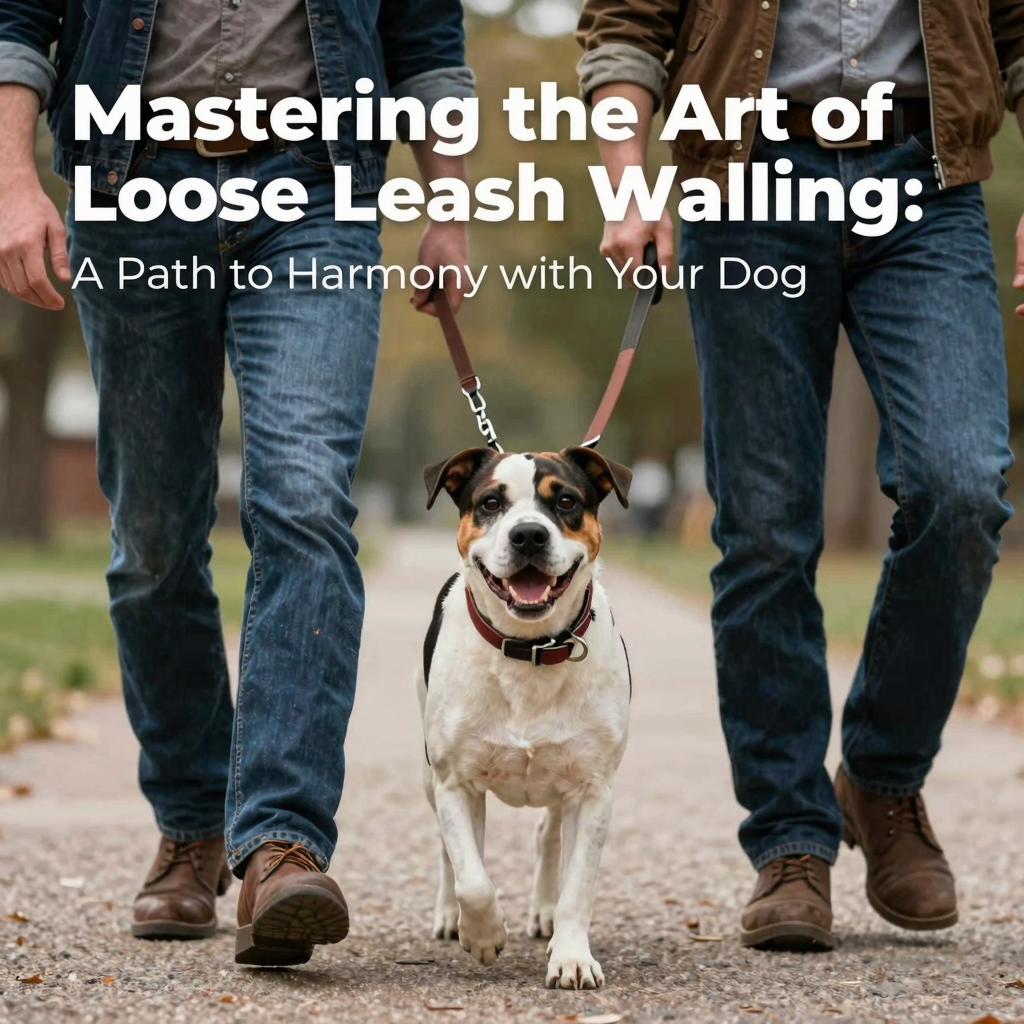
Mastering the Art of Loose Leash Walking: A Path to Harmony with Your Dog
For many dog owners, the daily walk is a cherished ritual, a time for bonding, exercise, and exploration. Yet, all too often, this peaceful picture is shattered by the reality of a dog that pulls relentlessly, turning a pleasant stroll into an exhausting battle of wills. If you’ve ever felt your arm being yanked from its socket or found yourself constantly correcting your dog’s trajectory, you’re not alone. The solution lies in mastering a fundamental but often misunderstood skill: loose leash walking. This isn’t just about preventing pulling; it’s about cultivating a calm, focused, and respectful partnership with your canine companion. As someone with a decade of experience in canine behavior and training, I can assure you that with patience and the right approach, a loose leash walk is an achievable dream for every dog and owner.
What is Loose Leash Walking, and Why Does It Matter?
First, let’s define our goal. Loose leash walking means your dog walks with you without tension on the leash. The leash forms a gentle “J” or “U” shape, with slack in the line. Your dog may walk beside you, slightly ahead, or slightly behind, but the key is the absence of pressure. This is distinctly different from “heel,” which is a precise, formal position requiring your dog’s shoulder to align with your leg. Heel is a great skill for specific situations, but for everyday walks, loose leash walking offers more freedom and enjoyment for both parties.
Why go through the effort? The benefits are profound:
- Safety: A dog that doesn’t pull is less likely to bolt into traffic, lunge at distractions, or knock you off balance.
- Enjoyment: Walks become relaxing and enjoyable for both of you, strengthening your bond rather than straining it.
- Mental Stimulation: A focused walk where your dog checks in with you is more mentally tiring than a frantic, pulling expedition.
- Better Behavior: The focus and self-control learned on walks often translate to calmer behavior at home.
Understanding that you are teaching a state of mind—calm, connected attention—is the first step to success.
The Core Principles: It’s All About Communication
The biggest mistake people make is treating the leash as a steering wheel or a brake. In loose leash walking, the leash is merely a safety tether; communication happens before the leash gets tight. Your goal is to teach your dog that maintaining slack is what makes the walk progress. When tension appears, movement stops. This simple cause-and-effect is the foundation.
Essential Tools and Mindset
Equipment matters. A standard 6-foot leash is ideal. Retractable leashes encourage pulling and teach dogs that constant pressure is normal. For gear, consider a front-clip harness, which gently turns your dog toward you if they pull, or a well-fitted head halter for strong pullers. The key is to choose something humane that gives you control without causing pain or fear.
More important than gear is your mindset. Arm yourself with patience, high-value treats (like chicken, cheese, or hot dogs), and a commitment to short, successful practice sessions. Consistency from every family member is non-negotiable.
The Training Method: A Step-by-Step Approach
Start in a low-distraction environment, like your living room or backyard.
- Step 1: The Reward Zone. With your dog on leash, stand still. The moment your dog looks at you or the leash goes slack, mark the behavior with a word like “yes!” or a clicker, and give a treat. Repeat until your dog understands that being near you with a loose leash pays well.
- Step 2: The “Let’s Go” Cue. Take one step. If your dog moves with you and the leash stays loose, immediately mark and reward. If they surge ahead and the leash tightens, simply stop and become a tree. No pulling back, just stillness. Wait for them to return to you, creating slack, then mark, reward, and try again.
- Step 3: Add Distance. Gradually increase the number of steps between rewards. Practice changes in direction. If your dog pulls, stop or change direction the *moment* the leash tightens. This teaches them to pay attention to your movement.
- Step 4: Add Distractions. Slowly introduce more challenging environments. Be prepared to lower your criteria—reward more frequently for shorter periods of loose leash focus when distractions are high.
Troubleshooting Common Challenges
Even with the best plan, you’ll hit snags. Here’s how to handle them:
My Dog is Overly Excited to Go Outside
Practice calmness *before* the walk. Ask for a “sit” or “down” before you clip the leash. Open the door, and if they bolt, close it. Wait for calmness. This sets the tone that calm behavior, not frantic pulling, is what makes the door open and the walk begin.
My Dog Pulls Toward Specific Triggers
Whether it’s squirrels, other dogs, or people, the principle is the same: create distance. Do not force a “meet and greet.” When you see a trigger, move away before your dog reacts. Reward them heavily for looking at the trigger and then back at you. You are teaching them that seeing something exciting means they should check in with you, not lunge.
Progress Seems Slow
This is normal. Loose leash walking is one of the hardest skills to teach because it requires sustained impulse control in a stimulating world. Celebrate small victories. A 10-foot stretch of slack leash in the park is a win. Keep sessions short (5-10 minutes) and end on a positive note.
Beyond the Basics: Making it a Lifestyle
Once you have the fundamentals, integrate the philosophy into all your outings. Use the “be a tree” method consistently. Vary your rewards—sometimes a treat, sometimes verbal praise, sometimes the chance to go sniff an interesting bush (which is a huge reward for dogs!). This teaches your dog that staying connected with you unlocks all the good things the world has to offer.
Remember, a perfect loose leash walk every single time is not the goal. The goal is a dramatic improvement in communication and enjoyment. There will be days with setbacks, especially in new, exciting places. That’s okay. Return to the basics, be patient, and keep the long-term relationship in mind.
The Journey to Walking in Harmony
Teaching loose leash walking is an investment. It requires time, consistency, and a shift from viewing the walk as a purely physical exercise to seeing it as a training opportunity and a bonding experience. The payoff, however, is immeasurable. Imagine leaving the house without that familiar sense of dread. Picture your dog glancing up at you for guidance, a slack leash connecting you both as you explore the world together. That harmonious partnership is not a fantasy; it’s the direct result of the clear, patient communication that loose leash training provides. Start today, be consistent, and soon you’ll find that the simple act of walking your dog has transformed from a chore into the highlight of both your days.